

Did you know that nearly 60% of marketing budgets are lost because visitors leave quickly? Many business owners focus on getting more traffic but forget where it goes. A bad paid ads landing page can cause high bounce rates and lost money.
If your site doesn’t match your marketing, people will leave. We think every click should lead to a clear, profitable outcome. If you think your strategy is wasting money, it’s time for a change.
At North Layer, we help small businesses improve their online presence to avoid waste. You can reach out to us at hello@northlayer.co to book your Growth Call. Let us do a professional check to make sure your paid ads landing page is working well.
Key Takeaways
- Most marketing budget waste comes from bad site design.
- High bounce rates often mean your ad and site don’t match.
- Small business owners need to focus on user experience to boost sales.
- Professional audits can find hidden problems in your marketing funnel.
- North Layer offers expert advice to increase your return on investment.
Understanding the Importance of a Well-Designed Landing Page
Every click you pay for should lead to a page that converts well. When someone clicks on your ad, they expect to see what you promised. A paid ads landing page is a focused space that guides visitors to take one action.
What Is a Landing Page?
A landing page is a web page made just for a marketing or ad campaign. It’s different from your website’s homepage, which does many things. This page has one singular goal.
It has no extra links or menus to distract visitors. This makes it easier to turn casual browsers into leads. A clear path leads to more conversions.
Why Paid Ads Need Dedicated Landing Pages
Using a generic homepage for paid ads is a big mistake. Homepages are for exploring, not for finding specific solutions. If visitors can’t find what they need, they leave, wasting your budget.
Consistency is key for successful campaigns. By following best landing page practices, your ad message and page content match. This builds trust and makes sure visitors know they’re in the right place.
Common Mistakes on Paid Ads Landing Pages
Your paid ads budget is only as good as the page they lead to. Even the best targeting can’t save a campaign if the landing page doesn’t convert. Many businesses lose money because their pages have avoidable problems.

The Dangers of Cluttered Layouts
A conversion-driven landing page should have one main goal. Too many links, menus, or offers can overwhelm visitors. This makes them leave without taking action.
Clutter is the enemy of clarity. Remove what’s not essential to focus on the main call-to-action. Good landing pages use white space and keep messages short to highlight their value.
Ignoring Mobile Optimization
Most visitors come from smartphones, yet many sites are not mobile-friendly. If your page isn’t responsive, you’re losing a lot of customers. A bad mobile experience hurts your sales big time.
Slow pages can lose 40% of conversions. Mobile users hate slow sites that need zooming. A conversion-driven landing page must work well on mobiles for a smooth user experience.
Following best landing page practices makes your site fast and easy to use on all devices. The table below shows the key differences between pages that work and those that waste money.
| Feature | High-Converting Page | Low-Converting Page |
|---|---|---|
| Layout | Clean and focused | Cluttered and busy |
| Mobile Speed | Under 2 seconds | Over 3 seconds |
| Navigation | Single path to action | Multiple distracting links |
| User Experience | Intuitive and fast | Frustrating and slow |
The Role of Compelling Copy
Your landing page copy works like a silent salesperson, always on the job. When someone clicks your ad, they expect to find a conversion-driven landing page that meets their needs. If the language is hard to understand or too busy, it can push people away.
Good copy isn’t about using fancy words. It’s about being clear and valuable. By focusing on what your customer gets, you build trust. This is key for successful paid advertising optimization.
Writing Headlines that Capture Attention
Your headline is the first thing people see, and it must grab their attention fast. A great headline clearly states the main benefit of what you offer. If it doesn’t connect, people might leave without reading more.
“The best headlines are those that promise a specific solution to a painful problem, delivered in the simplest terms possible.”
Calls-to-Action: What Works Best?
A clear call-to-action (CTA) tells visitors what to do next. If it’s unclear, they might hesitate. Use words that show the immediate value of clicking.
Here are some tips for your buttons and links:
- Use strong, active verbs like “Get,” “Start,” or “Claim.”
- Keep the text short and focused on the result.
- Ensure the button stands out visually from the rest of the page.
Avoiding Jargon and Complicated Language
Many businesses use industry jargon that scares off readers. Using complex terms can block your message. Keep your messaging simple to make sure everyone understands your value.
Forms that are hard to fill out and confusing navigation can lead to high bounce rates. Clear, direct communication boosts your conversion-driven landing page success. This focus on simplicity is essential for any business looking to grow.
Visual Elements and Their Impact
Good landing page design strategies do more than look nice. They guide the user’s attention and build trust right away. When done right, these elements help your paid advertising optimization by keeping the visitor on track to convert.

The Power of Imagery
Every image on your page should have a clear purpose. Don’t use generic stock photos that don’t show what you offer. Choose images that directly support the promise in your ad copy.
Images should connect the user’s needs with your solution. If your images seem off or too busy, they might pull the visitor away from your call-to-action. Keep your visual story simple to keep the user on the path to conversion.
Choosing the Right Color Scheme
A professional color scheme does more than make your page look good. It strengthens your brand identity. Being consistent in your ads and landing pages makes users feel they’re in the right place. This feeling is key for trust and credibility when deciding.
Stick to a simple color scheme to avoid overwhelming the user. Use bold, contrasting colors for your buttons to draw attention to the action you want. By carefully balancing your palette, you create a unified experience that keeps the focus on your offer.
Load Speed: A Crucial Factor
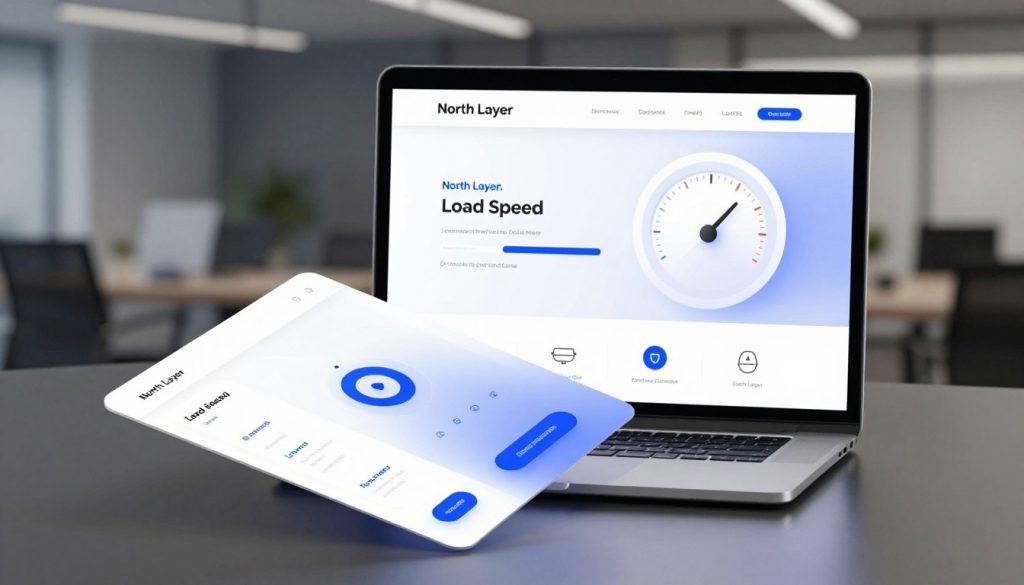
When someone clicks your ad, every second matters. Many businesses focus on looks but forget about speed. Creating high-converting landing pages means finding a balance between looks and quick loading.
How Load Time Affects Conversion Rates
Speed and revenue are closely linked. A one-second delay can hurt user satisfaction and actions. If your page loads slowly, visitors often leave before seeing your offer.
This is a hidden drain on your ad budget. You pay for clicks but get no value if your site is slow. Use landing page design strategies to make your site fast and responsive.
Tools to Test Your Landing Page Speed
You can’t fix what you don’t measure. Luckily, many tools help you see how your site performs. They show you where to improve your site’s speed.
- Google PageSpeed Insights: Gives tips for mobile and desktop speed.
- GTmetrix: Breaks down load times and asset sizes.
- Pingdom: Tests site speed from different places.
Run these tests often to stay ahead. Find out which images or scripts slow you down. Make data-driven adjustments to keep your site fast. A quick site is key to high-converting landing pages that make money.
A/B Testing: Find What Works
The best way to boost your marketing is to stop guessing and start testing. Many business owners rely on their gut when planning campaigns. But, data offers a clearer path to success. By using a systematic approach, you can make sure every dollar counts.
What Is A/B Testing?
A/B testing compares two versions of a page to see which one does better. You show version A to one group and version B to another. By comparing the results, you learn what your audience likes.
“Testing is the only way to turn your marketing from a cost center into a reliable engine for growth.”
This method is key for creating high-converting landing pages. Instead of hoping for the best, you use real user behavior. We think testing is the best way to stay ahead in today’s digital world.
Key Elements to Test
To get the most from your efforts, focus on what drives user action. Following PPC landing page best practices means testing specific things. Start with these main areas:
- Headlines: Does a benefit-driven title work better than a feature-focused one?
- Imagery: Do photos of real people do better than abstract graphics?
- Calls-to-Action: Does changing the button color or text increase clicks?
By using data instead of guesses, you make better choices. Even small changes to your high-converting landing pages can make a big difference. Sticking to PPC landing page best practices keeps your testing focused and effective.
Tracking Performance and Analytics
You can’t improve what you don’t measure, and this is true for your ad spend. Many small businesses miss out on revenue because they don’t watch how visitors act after clicking an ad. By collecting data, you can turn numbers into actionable insights that help you grow.
Following PPC landing page best practices means you’re not just guessing what works. Regularly reviewing your data helps you find problems before they cost you too much. This is key for lasting success.
Essential Metrics to Monitor
Keep your campaigns strong by checking key numbers every week. These numbers show you the real value of your investment.
- Cost Per Click (CPC): This shows how much you pay for each visitor.
- Click-Through Rate (CTR): This tells you how well your ad matches your audience.
- Conversion Rate: This is the most important, showing how many visitors do what you want.
Checking these numbers weekly helps you catch trends fast. If your conversion rate falls, you’ll know when to look at your page or offer. This is the heart of good paid advertising landing page optimization.
Tools for Effective Tracking
You don’t need fancy software to start, but the right tools are essential. Good tracking software shows you where users leave off.
Google Analytics is great for tracking user behavior and where visitors come from. Heatmapping tools also show where visitors click and scroll. Using these tools with your CRM gives you a full view of your marketing ROI. This helps you improve your strategy and follow better PPC landing page best practices. Using these tools regularly is key for successful paid advertising landing page optimization.
Optimizing for SEO
You can make the most of your marketing budget by matching your paid advertising landing page optimization with organic search goals. Paid ads bring quick traffic, but your landing pages should also boost your search visibility over time. This way, your digital assets stay valuable even when your ad spending changes.
The Importance of Relevant Keywords
Keywords connect what users search for with your content. Choosing the right terms boosts your quality score. A better quality score means lower costs per acquisition, making your campaigns more effective.
Using specific, high-intent keywords helps search engines understand your page’s purpose. This clarity is key to effective landing page design. When your content matches the search query, users are more likely to engage and convert.
Balancing Paid Ads and Organic Search
Many marketers see paid and organic traffic as separate, but they work best together. Use your paid data to find top-performing keywords. Then, optimize your organic content to reach that audience without relying on paid clicks.
This approach protects your business. If you stop your ads, your organic presence keeps attracting visitors. The table below shows how these strategies support each other for lasting growth.
| Feature | Paid Advertising | Organic Search |
|---|---|---|
| Speed of Results | Immediate | Long-term |
| Cost Structure | Pay-per-click | Content investment |
| Visibility | Controlled by budget | Earned through authority |
| Primary Goal | Rapid conversion | Sustainable traffic |
Effective landing page design needs a mix of technical skills and user-focused content. Keeping this balance makes your brand visible and credible online. We think this approach is essential for lasting marketing success.
The Future of Landing Pages in Paid Ads
Digital advertising changes fast, but the need for precision stays the same. Success comes from testing, tracking, and improving your campaigns with real data. This cycle helps businesses grow, not lose money on bad campaigns.
Trends to Watch in 2024
Personalization and speed will shape digital marketing’s future. Users want quick results and content that meets their needs. Making your landing pages effective ensures your brand meets these expectations and keeps visitors interested.
Adapting Your Strategy for Success
Focus on results you can measure to improve over time. Even small changes can make a big difference in your profits. We help you boost paid ad conversions by making your marketing smarter.
Ready to stop wasting money and start growing? Contact North Layer at hello@northlayer.co for a Growth Call. We’re here to help you apply these strategies and strengthen your business.



