

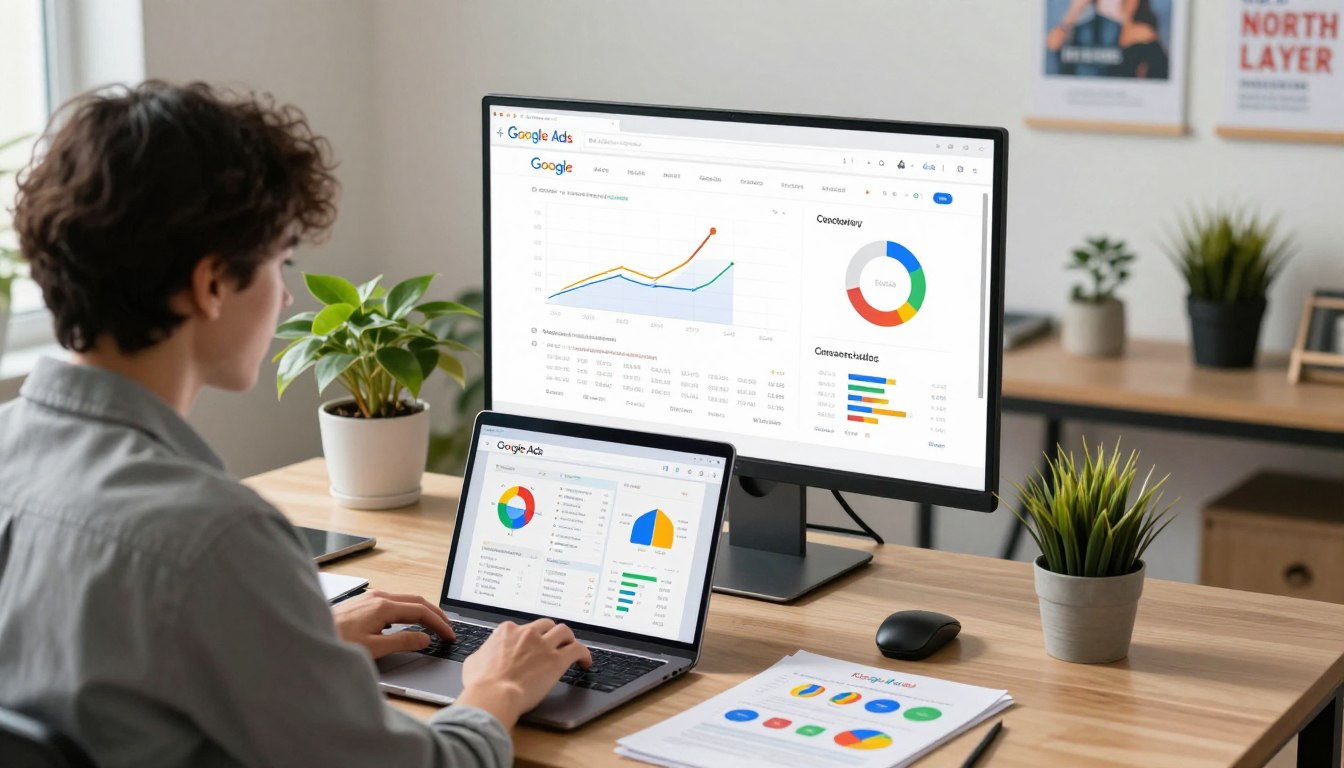
Did you know that nearly 60% of digital marketing budgets are lost to inefficient campaign structures? Many owners feel the urge to pour more money into their accounts when results stall. But, increasing your spend without fixing technical flaws often leads to wasted capital.
We believe that effective small business advertising strategies need a solid foundation. Before you raise your daily limits, you must audit your current setup. This ensures every dollar works hard to get high-quality leads.
Scaling a broken system only speeds up your losses. By improving your targeting and optimizing landing pages first, you pave the way for better returns. Let us help you through the key steps to get your account ready for growth.
Key Takeaways
- Avoid scaling your budget until you have identified and fixed core performance leaks.
- High spending cannot compensate for poor keyword targeting or irrelevant landing pages.
- Conducting a regular audit is the most reliable way to improve your return on investment.
- Focus on quality conversions, not just increasing your total traffic volume.
- A disciplined, data-driven approach prevents unnecessary waste and builds long-term stability.
Understanding Google Ads Basics
Did you know 65% of Google Ads users are small to medium-sized businesses? This shows that small business advertising campaigns are for everyone, not just big companies. It’s a way to find customers when they’re looking for what you offer.
What Are Google Ads?
Google Ads puts your business in front of people searching for what you offer. It’s different from traditional ads that interrupt you. Here, you pay to show up when someone needs your solution.
For Google Ads for small business owners, the goal is to catch people who are ready to buy. By showing up first in search results, you grab their attention at the right time.
How Do Google Ads Work?
Google Ads is like a real-time auction. When someone searches, Google picks the best ads to show. It looks at your bid and how well your ad matches what the user wants.
This auction model is key for small business advertising strategies. By focusing on quality and relevance, you can outdo bigger competitors who just spend a lot without a plan.
Key Terminology to Know
To manage your Google Ads well, you need to know some basic terms. These help you see how well your ads are doing and where your money is going.
- CPC (Cost-Per-Click): The cost of each ad click.
- Quality Score: How well your keywords and ads match what users want.
- CTR (Click-Through Rate): The percentage of ad views that turn into clicks.
| Metric | Definition | Why It Matters |
|---|---|---|
| CPC | Cost per click | Controls your daily spend |
| CTR | Click-through rate | Measures ad relevance |
| Conversion | Completed action | Tracks actual revenue |
Knowing these basics helps you make better choices for your account. When you understand how the auction works, you can stop guessing and start growing your business.
Analyzing Your Current Campaign Performance
Every successful small business advertising campaign starts with knowing your past results. Before you think about spending more, check your current numbers. This step shows you where your money is going and where it might not be working.
Understanding your past helps you make smart choices. It means you won’t just guess where to put your money. This way, your small business Google Ads efforts will focus on what really matters.
Key Metrics to Monitor
To see if your ads are doing well, watch certain numbers. The most important is your Cost Per Click (CPC). As of 2025, the average CPC in Google Ads is $5.26. This gives you a good idea of what to aim for.
If your costs are way above average, it’s time to tweak your ads. Keep an eye on your Click-Through Rate (CTR) and Conversion Rate too. These show how well your ads grab attention and turn clicks into sales or leads.
Tools for Campaign Analysis
You don’t need fancy software to understand your ads. The Google Ads dashboard has lots of info on your spending and trends. Look at your data for at least 30 days to see real patterns.
Also, using Google Analytics lets you see what happens after someone clicks your ad. This tool tracks if visitors do what you want on your site. Regularly checking these reports helps you spot trends and adjust your plan before spending more.
Identifying Target Audience Effectively
Stop wasting money by focusing on who needs your services. Many small business owners spread their efforts too wide. This means they spend a lot on ads that don’t reach the right people. By targeting the right audience, you make sure your small business Google Ads budget is well spent.
Importance of Audience Segmentation
Audience segmentation breaks down your customers into smaller groups. This lets you tailor your message to their specific needs. By focusing on location, your ads only reach people close to your business.
This approach keeps your ads from wasting money on distant viewers. It turns vague traffic into real customers ready to buy.
How to Use Google’s Audience Tools
Google offers tools to refine your ad reach. You can filter by age, gender, or income. These settings are key for small business PPC advertising to target your market well.
Start with “In-Market” audiences to find active buyers. Use “Affinity” audiences for long-term interests. Always check your data to see which segments work best.
Building Customer Personas
A customer persona is a detailed picture of your ideal customer. Think about their problems and how you solve them. Ask what motivates them to click and what stops them from buying.
Understanding search intent helps you write ads that speak directly to your audience. This makes your marketing personal and trustworthy. By focusing on these personas, you build a stronger connection with your audience, leading to better results.
Optimizing Your Ad Copy
Your ad copy is like a digital handshake with your future customers. When you write messages that connect, you turn simple text into a powerful tool for growth. Good advertising for small business mixes clarity, empathy, and direct value.

Tips for Creating Compelling Headlines
The headline grabs attention first. It decides if someone clicks or scrolls. Focus on the specific benefit your product offers, not just its features. A great headline solves a problem or meets a need.
Make your language short and sharp to grab attention fast. Don’t make vague promises. Use numbers or specific results to build trust. When your headline matches what users are searching for, your small business advertising campaign works better.
The Role of Call-to-Action Phrases
A clear call-to-action (CTA) tells users what to do next. Without a clear direction, even the best copy can fail. Use verbs like “Shop now,” “Get a quote,” or “Contact us today” to guide users.
Put your CTA where it’s easy to see and can’t be missed. Consistency is key; make sure your ad promises match what your landing page offers. This makes it easier for users to follow through.
Importance of A/B Testing
Even the best writers can’t guess how everyone will react to their words. A/B testing lets you compare two ads to see which one works better. By changing one thing at a time, you learn what really gets people engaged.
Successful small business advertising strategies use this testing and improving cycle. Over time, these small tweaks improve your ad’s performance. View every ad as a chance to learn more about what your customers like.
Choosing the Right Keywords
Effective advertising for small business starts with knowing what your customers search for. Keywords connect a user’s need with your solution. By matching your ads with the right search intent, you draw in visitors who are truly interested in what you offer.
Fundamentals of Keyword Research
Research isn’t just about finding popular terms; it’s about finding relevant ones. You need to think like your customer to find the phrases they use when they’re ready to buy. This way, you avoid paying for clicks that don’t lead to sales.
For successful small business PPC advertising, pick terms that match what you offer. For example, if you sell custom furniture, targeting “woodworking” is too wide. Instead, aim for “custom oak dining tables” to reach those looking for your exact product.
Using Google Keyword Planner
Google Keyword Planner is a free tool that gives you data straight from Google. It shows how often terms are searched and how competitive they are. Use it to find phrases with good search volume and manageable competition.
Begin by entering related terms to see suggestions. Look for keywords with the right balance of search volume and competition. This approach keeps your small business PPC advertising cost-effective and focused.
Long-Tail Keywords vs. Short-Tail Keywords
It’s important to know the difference between these keyword types. Short-tail keywords are broad and have high search volume but lower conversion rates. Long-tail keywords are more specific and often signal a higher intent to buy.
Small businesses often do better with long-tail keywords. These phrases have less competition, which can lower costs and improve traffic quality. Here’s a table showing the main differences between these two types.
| Feature | Short-Tail Keywords | Long-Tail Keywords |
|---|---|---|
| Search Volume | High | Low |
| Competition | Very High | Low |
| Conversion Rate | Lower | Higher |
| User Intent | Broad/General | Specific/Ready to Buy |
Structuring Your Campaigns Correctly
Having a solid campaign structure is key for digital marketing for small business success. A well-organized account lets you control your budget better. This stops money from being wasted on the wrong searches.

Importance of Campaign Organization
A disorganized account makes tracking what works hard. Organize by products or services to keep data clean. This makes your small business online marketing decisions easier and more informed.
A well-structured account is not just about neatness; it is about creating a direct path between what a customer searches for and the solution you provide.
Keeping your account tidy has many benefits:
- Improved Quality Scores: Relevant ads lead to higher engagement.
- Better Budget Control: You can allocate funds to the highest-performing areas.
- Clearer Insights: You can easily identify which campaigns drive actual revenue.
Ad Groups and Their Significance
Ad groups hold your keywords and ads. Success comes from keeping these groups highly thematic. Mixing topics in one group makes ads less relevant.
Group keywords by theme. This makes your ads meet user needs, a key in small business online marketing. Don’t mix ad formats in one group to keep data clear.
Focus your ad groups for a better digital marketing for small business plan. This keeps your Quality Score high, lowering costs over time. A structured approach ensures your budget works efficiently.
Setting a Realistic Budget
You don’t need a lot of money to get good results from digital ads. A well-planned budget is key for your online marketing. It helps you control costs and reach your audience.
Understanding Bid Types
Choosing the right bidding strategy is important for cost control. Manual CPC lets you set a max click cost. This gives you full control over your budget.
Smart Bidding uses AI to optimize bids for conversions. For newbies, starting with manual control is wise. It helps you understand the platform before using automation.
Daily vs. Monthly Budget Strategies
Small businesses with 10 or fewer employees often spend $200 to $1,500 monthly. Start with a daily budget of $10 to $20 to test ads safely.
This method helps you see what works without risking your budget. Once you find top-performing ads, you can scale your efforts with confidence. Remember, being consistent is more important than a big initial spend.
Keeping your daily spend steady avoids wasting funds early. This approach keeps your ads visible to customers all month. It maximizes your return on investment.
Leveraging Extensions for Better Click-Through Rates
Effective Google Ads management often comes from small, strategic changes. Ad extensions help you add more to your ad without spending more. This way, you can make your ads more valuable and trustworthy.
By adding extra details, you make your ads more helpful. This is key for digital marketing for small business owners who want to get the most from their ads.

Types of Google Ads Extensions
There are many ways to improve your ads. Sitelink extensions point users to specific pages on your site. Callout extensions highlight special offers like “free shipping” or “24/7 support.”
Structured snippets let you list services or products. Local Services Ads are great for reaching nearby customers. These ads can cost between $25 and $45 per lead, helping you connect with local customers.
Best Practices for Using Extensions
To make the most of these features, keep your extensions relevant. Always update your information to avoid frustrating users with old phone numbers or broken links.
Try different combinations to see what works best. A well-optimized ad is key for any digital marketing for small business strategy. It builds trust and encourages people to click.
| Extension Type | Primary Benefit | Best Use Case |
|---|---|---|
| Sitelinks | Increased navigation | Directing to specific product pages |
| Callouts | Highlighting value | Promoting unique business features |
| Local Services | Lead generation | Service-based local businesses |
| Structured Snippets | Detailed information | Listing service categories |
Analyzing Competition
Knowing your industry helps you improve your ads. By watching what others do, you find new chances and avoid mistakes. This is key for small business online marketing.
Tools for Competitive Analysis
You don’t need a big budget to see what rivals do. Many tools let you see their digital moves. The Google Ads Preview and Diagnosis tool shows how your ads stack up locally.
For more details, tools like SEMrush or SpyFu offer free versions. They show which keywords your competitors use. If these tools seem too much, a Google Ads consultant for small business can make sense of it all. They turn complex data into a clear plan for your brand.
What to Learn from Competitors
Competitive analysis is about finding what they miss, not copying them. Examine their ad headlines and descriptions to see their value. If they focus on price, you might win by highlighting your service or unique features.
Look at the landing pages they link to from ads. Are they giving away something free, a discount, or a guide? Knowing their offers helps you craft a better message. This is vital for small business online marketing, keeping you ahead without breaking the bank.
Having a Google Ads consultant for small business makes this process better. They help adjust your strategy based on market changes. Staying informed lets you lead the market, not just follow.
Enhancing Landing Page Experience
Your Google Ads campaign might be perfect, but a weak landing page will quickly drain your budget. While driving traffic is essential for advertising for small business, the real work begins once a user clicks your ad. If the destination page fails to deliver on the promise made in your headline, visitors will leave immediately.

Key Elements of an Effective Landing Page
A high-converting landing page must be laser-focused on a single goal. When a visitor arrives, they should immediately understand what you offer and how to take the next step. Clarity is your greatest asset in turning clicks into revenue.
To ensure your pages perform well, focus on these core components:
- Clear Headlines: Match the message of your ad to the headline on your page.
- Simplified Navigation: Remove unnecessary links that distract from your primary call-to-action.
- Strong Value Proposition: Explain exactly why a customer should choose your service over a competitor.
- Trust Signals: Include testimonials or certifications to build instant credibility.
Importance of Mobile Optimization
Most users today will view your site on a smartphone. If your page is not optimized for mobile, you are effectively wasting money. A poor mobile experience often leads to a lower Quality Score, which directly increases your cost per click.
Working with a professional Google Ads consultant for small business can help you identify technical bottlenecks that hurt your conversion rates. You must ensure that your buttons are easy to tap and that your images load quickly on cellular networks. A fast, responsive design keeps customers engaged and ready to buy.
Using Analytics for Continuous Improvement
Turning raw data into actionable insights is key for digital marketing for small business. Without knowing how visitors behave, you’re flying blind. By linking your ads to tracking tools, you make smart, profitable choices.
Setting Up Google Analytics for Your Ads
The first step in Google Ads management is linking your Google Ads to Google Analytics 4 (GA4). This lets you see a user’s journey from ad click to purchase. You can do this in your Google Ads dashboard’s “Linked Accounts” section.
After linking, make sure your website has the right tracking tags. These tags send important data back to your dashboard. Consistency is key for accurate data and avoiding wasted money on bad keywords.
How to Track Conversion Rates
Tracking conversions is key to making sure your small business Google Ads spend is worth it. A conversion happens when a user does something important, like filling out a form or buying something. This lets you know if you’re making money from your ads.
A good campaign can make you 200% of what you spend. To get this, set clear conversion goals in your account settings. Here’s a table to show how different tracking methods help your business:
| Tracking Method | Primary Benefit | Best For |
|---|---|---|
| Website Conversions | Tracks direct sales | E-commerce stores |
| Phone Call Tracking | Captures lead intent | Service providers |
| Form Submission | Builds prospect lists | B2B companies |
| App Installs | Measures engagement | Software developers |
By watching these metrics, you can see which campaigns are best. Data-driven adjustments help you focus on what works and cut what doesn’t. This cycle is what makes successful businesses stand out.
Making Data-Driven Decisions Before Budget Increases
To scale your digital marketing, you need to understand your current performance. Only increase your budget if your conversion rates stay the same and your cost per acquisition is profitable.
Signs You Are Ready to Scale
Seeing consistent growth in quality leads means your strategy is effective. If your campaigns keep showing a good return on investment, it’s okay to spend more to grab more market share. A smart approach to Google Ads for small business owners means every dollar spent brings in real revenue.
Smart Alternatives to Higher Spending
You don’t always need more money to get better results. Boosting your landing page conversion rate or fine-tuning your negative keywords can work better than just bidding more. Professional Google Ads management aims for these efficiency gains to get the most out of what you have.
If you’re optimized but need help, reach out to North Layer at hello@northlayer.co for a Growth Call. We help you grow sustainably with data-driven decisions. Working with a dedicated Google Ads consultant for small business lets you focus on your company while we handle the technical side.



