


65% of shoppers say they contact a company within an hour of finding it online — a fast trigger many owners miss.
Search engine optimization can change that. Fixing a few basic items gets a website into view when people search nearby services. This introduction shows what to fix first so your brand wins attention and trust.
The most impactful steps focus on clear information, a complete profile, and consistent reviews. These moves boost ranking and bring steady, local traffic to your site. We guide owners through simple checks that save time and reduce wasted marketing spend.
Key Takeaways
- Start with accurate contact details and a complete profile to improve visibility.
- Optimize pages with targeted keywords and useful content to raise ranking.
- Collect and manage reviews to build trust and convert customers faster.
- Fix website basics—speed, mobile usability, and clear services—to retain traffic.
- Track simple metrics to see which changes deliver real leads and ROI.
- North Layer partners with owners to deliver practical, measurable steps.
Understanding the Importance of Local SEO for Small Business
Showing up where your neighbors search wins customers more consistently than pricey ad campaigns. Strato Doumanis of MediaCutlet notes that focused search engine optimization is a cost-effective marketing move for businesses that rely on foot traffic.
When a company appears in nearby search results, it earns instant credibility with people actively seeking products in the area. Search engines favor relevance and prominence, so a tidy profile and accurate information help a website rise in ranking.
Investment in search optimization delivers steady returns. It drives targeted traffic and raises conversion rates because users have high intent. Over time, those gains build a stronger brand and more reliable revenue.
“Local SEO is essential for businesses relying on foot traffic to avoid burning through ad dollars.”
- Cost per lead: Lower than ads.
- Credibility: Higher when info is accurate.
- Longevity: Rankings compound over time.
| Benefit | What it impacts | Why it matters |
|---|---|---|
| Targeted traffic | Website visits & walk-ins | Higher intent equals more conversions |
| Profile accuracy | Search results & maps | Builds trust with customers quickly |
| Review management | Reputation & ranking | Customers choose trusted brands |
Mastering Your Google Business Profile
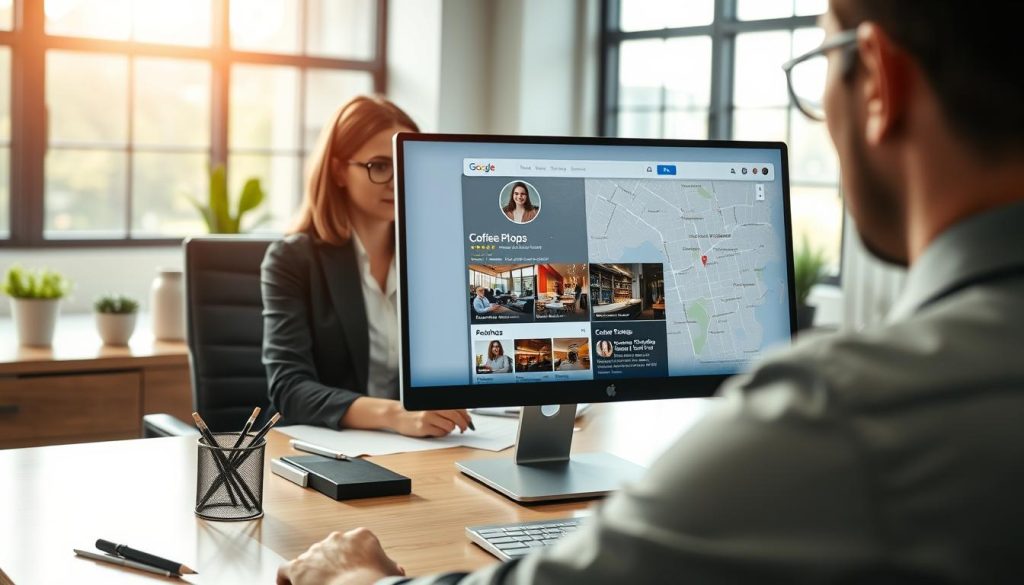
Your google business profile acts like a public storefront online. Clear, accurate details bring people through the door.
Claiming Your Profile
Claiming the listing is the essential first step. It connects your name to Google Maps and search results.
Monfette recommends filling every field. Add your full name, physical address, and a local phone number so people can reach you fast.
Keeping Information Accurate
Up to 98% of customers use the internet when they look for nearby businesses. Keeping information current protects your reputation and improves visibility.
- Use a consistent phone number and address across sites.
- Avoid keyword stuffing in your name to prevent penalties.
- Update services and hours whenever they change.
Utilizing Visual Content
Upload high-quality photos of your storefront, products, and team. Good images make your business profile memorable and drive visits.
Regular posts and fresh content signal activity to Google and help your profile rank better in local search results.
Optimizing Your Website for Local Search Intent
Search intent should shape page text, contact details, and service pages so visitors act fast. Start by placing your business name, address, and phone number in visible, crawlable text. That simple step helps search engines index vital information and helps people call or stop by.
Implementing Local Keywords
Use natural, long-tail phrases in page titles, headers, and service pages. Target phrases that match how people describe services in your area.
Monfette suggests using tools to find high-quality keywords that match buyer intent. Create dedicated landing pages for each service and include clear directions and opening hours on each page.
Using Structured Data
Adding structured data (schema) tells engines your hours, address, and events in a precise format. It requires some technical work, but it often boosts clickthrough rate.
- Indexable NAP: Keep name, address, and phone in clean text.
- Service pages: Build pages that match specific searches and products.
- Audit tools: Run regular scans to confirm keywords and schema are active.
Managing Online Reviews and Reputation
Reputation signals from reviews change how engines and people judge a business. Customers read reviews before they call. A Statista survey found 98% of U.S. consumers check reviews, and 76% do so regularly.
Encouraging reviews on your google business profile builds trust and improves placement in local search. Prompt happy customers with a simple ask after a sale. Make leaving feedback quick and clear.

Respond to every review. Thank positive reviewers. Answer negative feedback calmly and offer a fix. That shows customers you care and signals activity to search engines.
- Monitor your business profile across major websites to catch issues fast.
- Use replies to demonstrate service and to add useful information to your website content.
- Leverage positive reviews as social proof in marketing and on service pages.
“Responding to feedback demonstrates your commitment to customers and can turn a complaint into loyalty.”
Good review management raises visibility and drives traffic. It also protects reputation and makes search results work harder as a steady source of leads.
Leveraging Local Citations and Backlinks
Consistent directory listings and reputable backlinks strengthen a brand’s credibility with search engines. Start by checking that your name, address, and phone match the text on your website. Small mismatches confuse engines and customers.
Ensuring NAP Consistency
Audit major websites and directories. Keep your phone number and address identical everywhere. That reduces errors in search results and helps with ranking.
Use tools such as BrightLocal, Loganix, Yext, Whitespark, Semrush, Soci, Moz Local, or Chatmeter to find and fix wrong entries. These services save time and remove outdated citations.
Earn community backlinks. Stephen Duetzmann of SideQuestSolutions advises asking partners and nonprofits to link to your homepage when you work together. Those links act as endorsements to engines.
- Verify NAP on major websites and directories.
- Fix or remove incorrect citations quickly.
- Secure quality backlinks from trusted local groups.
| Action | Tool | Benefit |
|---|---|---|
| Find inconsistent citations | BrightLocal, Moz Local | Faster correction and cleaner listings |
| Manage listings at scale | Yext, Chatmeter | Reduce manual errors and save time |
| Earn backlinks | Partnership outreach | Improved website authority and traffic |

Conducting Competitor Research
A focused review of competitor profiles and sites shows what customers see first and why they click.
Start by listing who ranks above you in local seo and note their primary categories. Check each business profile and the number of reviews they have. That reveals how they build trust and presence in search results.
Audit competitor websites. Look at page structure, service pages, and product listings. Gaps in their offerings are opportunities to add content or services that attract customers.
- Use tools to collect competitor keywords and traffic estimates.
- Compare review counts and reply strategies; match or exceed their engagement.
- Track backlinks from media and community sites to replicate strong endorsements.
| What to check | Why it matters | Action |
|---|---|---|
| Business profile & google business listings | Shows public info customers see first | Update categories and photos to match top performers |
| Website structure & product pages | Reveals missing services and content gaps | Create targeted pages that fill those gaps |
| Keywords & backlinks | Drives visibility and referral traffic | Use tools to find untapped terms and outreach targets |

We recommend practical steps that yield measurable visibility gains. Track changes and focus on reviews and backlinks to win more traffic over time.
Engaging with the Local Community
Active participation in town events turns casual awareness into reliable foot traffic and online mentions.
Sponsorships and events build a brand in the area and often earn backlinks from community sites and news outlets.
When a company joins an event or donates time, media coverage can follow. That coverage improves visibility in search results and drives visitors to the website.
Blogging about area news and events shows search engines the company is active. Use local keywords in those posts to attract people searching for nearby happenings.
- Pick relevant events that match services or products.
- Invite journalists and partners to increase reach.
- Share pictures and short recaps on the website and profiles.
“Showing up for the community signals trust and earns organic reviews that lift ranking.”
| Action | What it does | Expected result |
|---|---|---|
| Sponsor a local event | Earns press mentions and links | More visibility and website traffic |
| Write event recaps | Publishes fresh content with local keywords | Better relevancy in search engine results |
| Collect reviews on follow-up | Turns attendees into reviewers | Higher trust and improved ranking |
Conclusion
Staying active and accurate online keeps your business visible when people are ready to buy.
Keep your google business profile updated and treat site fixes as ongoing work. Consistent care improves search performance and the quality of leads you get.
Focus on clear contact details, timely replies to reviews, and targeted content. These moves boost your business profile, help engine optimization, and lift search results over time.
Results take time, but steady effort creates a reliable source of walk-ins and calls. Use these steps to feel confident about attracting more people and growing your revenue.



