


Have you ever wondered why some local shops thrive while others struggle to find even one lead? Many small business owners face the daily challenge of finding new shoppers while managing tight budgets and limited time.
Effective small business marketing goes beyond simple ads or basic education. Reaching out to target markets helps you focus on what potential customers actually want and need from your brand.
Research shows that 66% of customers expect a company to understand their unique expectations. We provide practical frameworks to help you review current efforts and ensure long-term success.
This guide offers actionable tactics to improve your marketing ROI. By focusing on outcomes, you can grow your base without wasting valuable resources on the wrong channels.
Key Takeaways
- Understand unique consumer needs to drive better sales results.
- Use structured frameworks to guide prospects through the sales funnel.
- Identify where your budget is most effective to improve ROI.
- Combine digital and traditional tactics to reach more people.
- Focus on outcomes like revenue and conversions rather than buzzwords.
- Review and fine-tune campaigns through trial and error for growth.
What Is Small Business Marketing?
At its core, small business marketing represents the strategic effort to attract and retain customers through targeted, cost-effective methods. This process involves the promotion of products or services to a specific audience that truly needs your help. Unlike larger firms, a small business must focus on precision rather than mass volume to grow the business.
A solid marketing strategy ensures that every dollar spent helps build a sustainable connection with your community. This form of business marketing relies on understanding local needs and providing direct value. We believe that when you focus on helping people first, the sales naturally follow.
The Four Ps of Marketing for Small Businesses
The Four Ps framework serves as the essential foundation for any successful marketing plan. These elements help businesses address the most important factors that influence why a customer chooses your business over another. By balancing these four pillars, you create a comprehensive approach to growth.
| Element | Description | Focus for Growth |
|---|---|---|
| Product | What you offer to the market. | Meeting specific customer needs. |
| Price | The cost of your business marketing items. | Reflecting value and affordability. |
| Promotion | How you build awareness. | Creating interest in products. |
| Place | Where you offer services. | Ensuring easy availability for clients. |
How Small Business Marketing Differs from Corporate Marketing
While large corporations rely on massive budgets and rigid plans, small business marketing thrives on innovation and experimentation. Smaller businesses have less “marketing muscle” but significantly more agility to pivot when things change. This flexibility allows you to test new ideas and adjust quickly based on real-time feedback from your audience.
“Marketing is no longer about the stuff that you make, but about the stories you tell.”
Local businesses often prioritize personalized engagement over the mass appeal of television commercials or billboards. By using social media and community outreach, a small business creates authentic connections that a giant product manufacturer cannot match. This “below-the-line” marketing approach builds deep loyalty and a distinct competitive advantage in the local market.
Essential Tools and Technology for Small Business Marketing
Essential marketing technology allows small teams to achieve big results without huge budgets. These tools serve as the foundation for any modern business. By using the right platforms, you can compete with larger brands while keeping your team small and efficient.
Customer Relationship Management (CRM) Systems
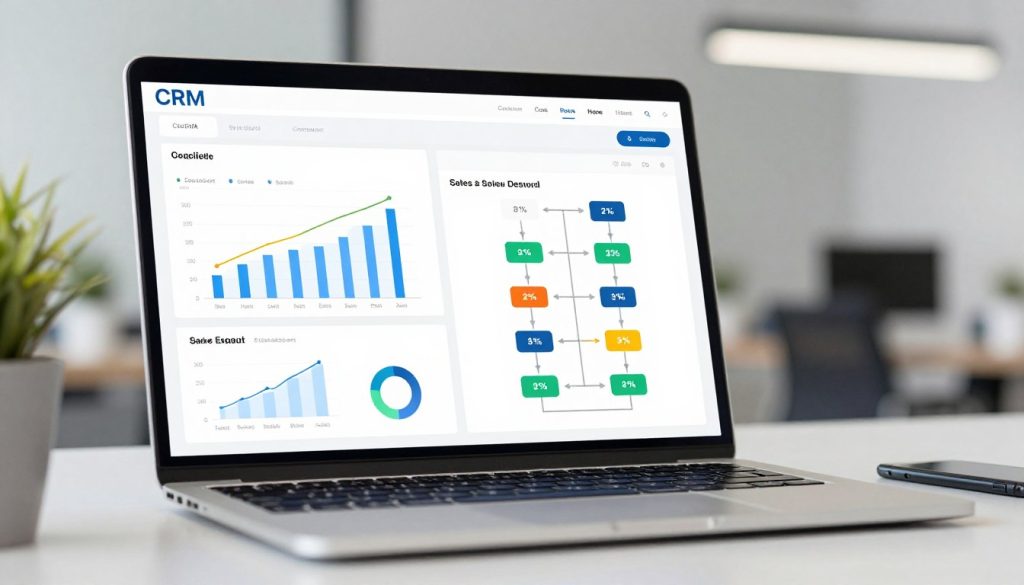
A CRM system organizes your prospective and current customer data in one centralized location. This helps you track the entire customer journey for better campaign targeting. Half of U.S. small and midsize companies now use these tools to improve their marketing results.
In the last year alone, 15% of these companies began using these systems for the first time. This growth shows that more owners realize the value of having actionable insights. When you organize data properly, your sales and success teams can work much faster.
Marketing Automation Platforms
Automation tools handle the heavy lifting of organization and tracking. They often integrate with other software to streamline your daily tasks. A professional business uses these features to handle repetitive marketing activities automatically.
Email Marketing Tools
These platforms allow you to design beautiful campaigns and store contact lists. You can create segments for different types of customers to ensure your messaging feels personal. This targeted email marketing is highly effective for businesses with limited budgets.
Research shows that automated email workflows generate 30x higher returns than one-off messages. You can use these tools to track behavior like open rates and click-throughs. By using email strategically, you can reach more customers without spending more money. This makes email a vital part of your growth strategy.
Social Media Management Software
Managing multiple social channels is simple when you use a dashboard to schedule your posts. These tools help you grow your followers and track engagement metrics easily. You can stay active on various channels while maintaining a consistent marketing voice.
The right combination of these platforms depends on your specific business goals. We recommend starting with the basics to get your marketing efforts up to speed quickly. Investing in the right tech today prevents wasted effort tomorrow.
Building Your Marketing Foundation
Every effective marketing strategy begins with fundamental building blocks that guide your efforts. Before launching high-cost campaigns, a business must establish its core identity. This preparation ensures that every dollar spent reaches the right people.
Developing a solid foundation prevents wasted spend. It helps you focus your marketing on the groups most likely to buy from you.
A clear plan allows you to speak directly to your buyers. Without these basics, your advertising efforts may lack the direction needed to convert leads into sales.
Defining Your Value Proposition
Your value proposition is the primary reason why a customer chooses you over a competitor. You should focus on the actual benefits rather than just listing simple product features.
Explain how your specific service solves a problem or makes life easier for your potential buyers. When your offer matches user values, you build trust quickly and efficiently.
Identifying Your Target Audience
Identifying your target audience involves more than just a broad guess. You need to define your ideal customer by age, location, and specific pain points.
Research shows that brand-focused efforts can have four times the impact on your bottom line. This only happens when you target the right group of people with precision.

Setting SMART Marketing Goals
Setting clear goals allows you to track progress effectively. You should use the SMART framework to ensure your objectives remain specific and measurable.
These goals should also be achievable and help you meet your primary goals for the year. This structure helps you course-correct your marketing tactics when results change.
Creating Your Brand Messaging
Consistent brand messaging creates a recognizable personality for your business. This foundation includes a brand promise that sets expectations for your customers.
Your positioning statement describes your market fit and helps you target the right niche. Use your target audience profile to refine your brand voice and communicate clearly.
Authenticity helps you build long-term relationships with all your customers. It ensures people remember who you are and what you stand for in a crowded market.
These elements act as a guide for every business decision you make. They ensure your marketing stays consistent and supports your overall strategy.
A strong business base is the key to sustainable growth. Use the following framework to organize your foundational marketing components.
| Component | Definition | Primary Benefit |
|---|---|---|
| Brand Promise | One-to-two sentence expectation statement | Builds immediate trust |
| Positioning Statement | Market fit and specific offerings | Defines competitive edge |
| Brand Mission | Core beliefs and planned accomplishments | Guides long-term vision |
| Voice and Tone | Communication style and personality | Ensures authentic connection |
Creating Your Small Business Website
Building a website does not have to be expensive or complicated for a local business owner. It serves as the central hub where customers find your story, store hours, and contact details. Even if you do not sell products online, owning this digital space is vital for long-term growth.
You can launch a functional site without breaking the bank. We suggest focusing on clear information and simple navigation first. This foundation allows you to scale your marketing efforts as your company expands.
Claiming Your Domain Name
Your domain is your unique address on the internet. You should aim for your business name with a .com extension if it is available. If that is taken, .net or .co are acceptable alternatives that still look professional.
We recommend setting up auto-renewal for your domain registration immediately. This simple step prevents you from losing your name when the time expires. Losing a domain can be a major setback for your brand’s online identity.
Choosing Web Hosting
Web hosting is the service that makes your site live for the world to see. Most providers offer annual packages that are very affordable for a new company. Many of these packages also include professional email addresses that match your domain.
A secure host ensures your site stays fast and reliable for every visitor. Investing in quality hosting is a small price to pay for a stable online presence. It keeps your digital storefront open every hour of the day.
Designing for Mobile and Accessibility
Most modern templates are mobile-friendly by default, which is vital for today’s users. Many people browse on their phones while they are on the go. You must also ensure your website is ADA compliant so it is accessible to everyone.
Start with mainstay pages like “About Us,” “Services,” and “Contact.” Adding four or five blog posts helps build a strong seo foundation. This high-quality content keeps visitors on the page for a longer time.
Valuable content helps search engines find your business naturally. A professional website needs clear seo markers to attract organic traffic. Use helpful content to build trust and authority with your target audience before you spend money on ads.
Creating great content also gives people a reason to return to your site. It establishes you as an expert in your field. This strategy pays off by turning casual visitors into loyal clients.
| Website Component | Primary Goal | Investment Level |
|---|---|---|
| Domain Name | Brand Identity | Low (Annual) |
| Web Hosting | Site Stability | Moderate (Monthly/Yearly) |
| Core content | User Engagement | Variable (time or cost) |
| Professional website | Conversion Hub | Scalable for business |
Digital Marketing Channels for Small Businesses
Digital marketing uses online channels to reach customers right where they spend their time daily. This approach delivers the widest reach at the most affordable cost for any business in 2025. By using these tools, you can compete with larger brands without needing a massive budget.

We recommend testing different platforms to see which ones generate the best results for your specific goals. Starting with a clear strategy helps reduce wasted spend and improves your overall marketing return. Focus on the channels that your target audience uses most frequently.
Social Media Marketing
Social media marketing allows you to promote products and build brand awareness on platforms like Facebook or Instagram. This modern media marketing style helps you connect directly with your audience through daily interactions. It is a powerful way to humanize your brand and show your value.
Recent data shows that 81% of consumers are swayed by social media to make spontaneous purchases. By sharing engaging posts, you can drive immediate sales and boost customer loyalty. Effective social media marketing turns followers into active buyers when you provide consistent value.
Focus on creating high-quality media that encourages social media sharing and direct engagement. These social media platforms thrive on authentic conversations and visual storytelling. Using social media helps you stay top-of-mind when customers are ready to buy.
Email Marketing Campaigns
This method puts you in direct contact with your audience through their personal inbox. Automated email marketing workflows generate 30x higher returns than simple, one-off messages. An email is a great tool to nurture leads and offer special promotions to loyal fans.
You can track exactly who opens your email and which links they click. This data allows you to refine your media marketing approach over time. By segmenting your list, you send the right message to the right person.
Search Engine Optimization (SEO)
SEO uses specific design elements and content strategies to help search engines find your website. Ranking first on the first page of results earns approximately 29% of all user clicks. Good seo practices ensure your site remains visible to people actively searching for your services.
A strong seo foundation provides long-term growth without the need for constant ad spend. It makes your website more user-friendly and authoritative in your niche. Search engines reward sites that prioritize a positive user experience.
Content Marketing
Content marketing involves creating valuable blog posts, infographics, and resources to educate your audience. This strategy helps build trust and establishes your industry expertise over time. When you provide helpful content, you solve problems for your customers before they even buy.
High-quality content marketing also improves your search rankings by targeting relevant keywords. It gives your audience a reason to visit your site repeatedly. This consistent value leads to higher conversion rates and brand authority.
Video Marketing
Video marketing allows brands to convey complex messages in dynamic and easy-to-digest formats. Marketers report that videos directly increased sales and helped generate qualified leads for 87% of users. It is one of the most effective types of media for capturing attention quickly.
You can use videos on your website, in emails, or across various social media channels. They provide a personal touch that static images often lack. Short, informative videos are especially popular for explaining product features or sharing testimonials.
Pay-Per-Click Advertising
Pay-per-click advertising lets you reach specific audiences by purchasing ad space on digital platforms. You only pay when someone clicks your link, making it a highly measurable form of advertising. This type of advertising is perfect for driving traffic to landing pages during a sale.
Platforms like Google and social media offer advanced targeting based on interests and search intent. This ensures your budget is spent on reaching the most relevant users. Most businesses use these ads to supplement their organic traffic efforts.
| Marketing Channel | Primary Benefit | Key Success Metric |
|---|---|---|
| Social Media | Brand Awareness & Engagement | Engagement Rate |
| SEO | Organic Traffic Growth | Search Rankings |
| Email Marketing | Customer Retention | Click-Through Rate |
| PPC Ads | Immediate Lead Generation | Cost Per Conversion |
| Video Marketing | High Conversion Rates | View Completion Rate |
Traditional Marketing Methods That Still Work
In an age where everyone is looking at a screen, offline marketing creates a physical connection that digital ads simply cannot replicate. These methods use offline channels like print, radio, and events to reach customers in the real world. While online spaces are often crowded, traditional tactics offer unique advantages for local businesses. They provide a tangible way for people to interact with your brand in their own neighborhoods.

Print Advertising and Marketing Materials
Print advertising through local newspapers and magazines remains an affordable way to grow. Physical materials like brochures and flyers build brand awareness because they are tangible. Many businesses find that customers keep these items to reference later. Having something to hold makes your business feel more established and trustworthy to a local audience.
Direct Mail Campaigns
Direct mail sends promotional materials straight to the homes of potential or existing clients. This physical approach often yields better results than digital alternatives. Research shows that direct mail can achieve a 9% response rate for a house list. This is much higher than the typical 1% response rate for email marketing.
Local Event Marketing and Networking
Event marketing puts you face-to-face with your customers at trade shows or professional gatherings. These interactions allow you to demonstrate products and answer questions in real time. Building these personal relationships is a powerful way to drive business growth.
83% of international brands credit event marketing for increasing sales.
Radio and Local Television Advertising
Local media outlets often have affordable slots specifically reserved for a small business. Television and radio advertising reach audiences who still consume traditional media daily. By using these channels, you create multiple touchpoints that improve results over time.
| Method | Best Feature | Local Impact |
|---|---|---|
| Direct Mail | 9% Response Rate | High |
| Event Marketing | Face-to-Face Trust | Very High |
| Print Ads | Tangible Presence | Moderate |
Combining these traditional efforts with digital strategies maximizes your reach while staying within budget. This balanced approach ensures you connect with people through their favorite channels, both online and off.
Creating a Comprehensive Small Business Marketing Plan
Creating a marketing plan means moving away from random acts of promotion and toward a structure that yields predictable results. A well-defined plan turns your business strategy into clear, actionable steps. By following a proven process, you can ensure every dollar spent contributes to a cohesive marketing strategy.
This roadmap helps you replace scattered, disconnected efforts with a focused approach to growth. It allows you to visualize your path from the first lead to the final sale. We believe that a strong marketing foundation is what separates thriving companies from those that struggle to stay visible.

Conducting Market Research
Understanding the current landscape is vital before you launch any campaign. You should assess your competition and industry trends to find unique opportunities for your business. This research helps you identify target audience frustrations and tailor your messaging to meet their specific needs.
Setting Your Marketing Budget
Setting an affordable budget is a critical step in your journey to success. A general guideline suggests spending 2-5% of your revenue on marketing to maintain steady growth. Monitoring your ROI carefully helps you identify which budget choices bring the most results for your investment.
Choosing the Right Marketing Channels
You must decide where to focus your efforts based on where your audience spends their time. Use a strategic mix of online and traditional tactics to reach people effectively across different platforms. Consistent messaging builds trust and ensures your brand remains top-of-mind for potential customers.
| Planning Phase | Primary Action | Key Outcome |
|---|---|---|
| Goal Setting | Define SMART targets | Clear direction |
| Channel Mix | Select platforms | Targeted reach |
| Monitoring | Review ROI | Better spending |
Developing Your Content Calendar
A content calendar acts as your centralized planning tool for all outreach efforts. It lists scheduled content like blog posts, videos, and social media updates for specific periods. Maintaining a steady flow of content ensures you stay visible and relevant to your audience throughout the year.
Tracking Performance Metrics
Tracking data is the only way to move your business beyond simple guesswork. You should analyze your marketing performance to see which tactics actually meet your primary goals. Adjust your marketing strategy regularly based on what the data tells you about your actual performance.
Finalizing your strategy requires clear goals and a commitment to high-quality content. Effective marketing is a continuous cycle of execution and optimization. Ensure your budget supports the content needed to reach your long-term vision and drive marketing success.
10 Cost-Effective Marketing Ideas to Boost Sales
You can scale your sales using creative strategies that cost very little to start. Many small businesses struggle with limited budgets, but we know that consistency often beats high spending. By focusing on these proven ways to reach potential customers, you can grow your business without financial strain.
1. Implement a Customer Referral Program
Word-of-mouth is a powerful tool for small businesses. Offer your current customers a meaningful reward for every successful referral they send your way. This approach turns your best buyers into a dedicated sales force that builds trust for you.
2. Leverage User-Generated Content
Authenticity drives sales in the modern market. Research shows that 87% of consumers say user-generated content influences their buying decisions more than search results. Encourage your customers to create social media posts featuring your product to build social proof.
3. Partner with Complementary Local Businesses
Collaborating with other businesses can double your reach instantly. You can share resources and cross-promote to find new potential customers. This marketing strategy helps both businesses grow while keeping advertising costs extremely low.
4. Host Educational Workshops and Webinars
Sharing your expertise for free establishes you as an industry leader. These sessions drive high engagement and provide genuine value to your community. Teaching your audience instead of just selling to them creates long-term brand authority.
5. Create a Loyalty Program
It is much cheaper to retain a current buyer than to find a new one. Reward your repeat customers with points, exclusive discounts, or special perks. A solid program ensures your business remains their first choice for future needs.
6. Optimize Your Google My Business Listing
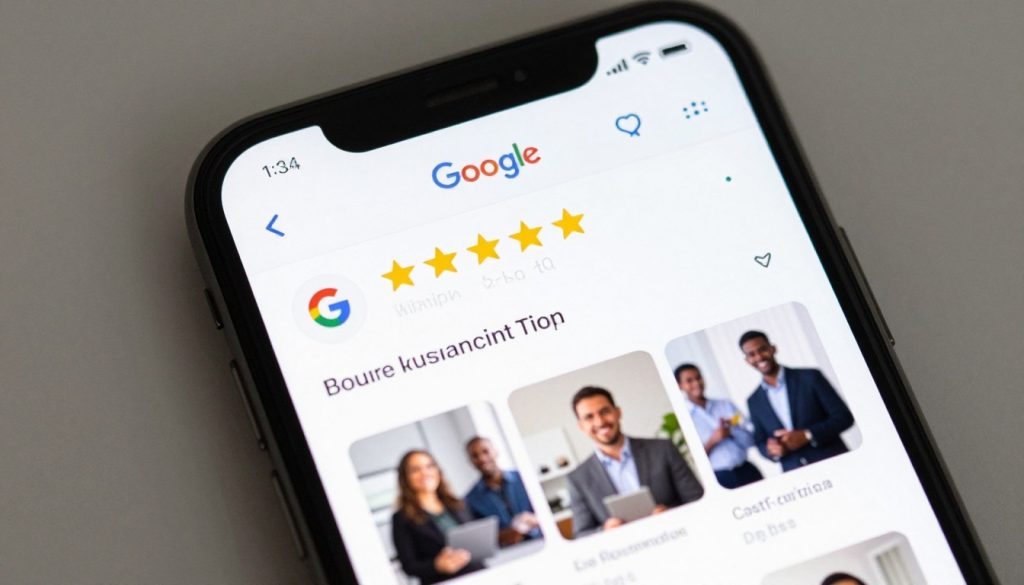
A professional Google My Business setup is essential for local visibility. You must list accurate hours and respond to all reviews to build credibility. Positive reviews and active management help your business appear higher in local search results when people need you most. Be sure to encourage satisfied buyers to leave reviews regularly.
7. Run Seasonal Promotions and Flash Sales
Urgency is one of the most effective ways to trigger a purchase. Use time-limited offers to reward your customers or clear out older product inventory. These events create excitement and provide a quick boost to your monthly revenue.
8. Engage in Community Sponsorships
Supporting local events or charities builds deep goodwill within your town. This type of exposure helps small businesses get noticed in an authentic and positive environment. It shows that you care about the community you serve.
9. Use Guerrilla Marketing Tactics
Creative marketing often outperforms expensive billboards. Use unique signage or eye-catching window displays to grab the attention of passersby. These low-cost marketing moves are designed to start conversations about your brand without a large marketing budget.
10. Start a Podcast or YouTube Channel
Creating videos or audio episodes allows you to connect with audiences who prefer digital media. Other businesses use these platforms to share stories and tips using minimal resources. It is a great way for small businesses to reach a global audience for free.
Measuring Your Marketing ROI and Success
Measuring the success of your campaigns helps you stop guessing and start growing based on real performance data. It determines which efforts generate actual business results. This clarity allows you to focus your budget on tactics that drive revenue.
Key Metrics to Track
We recommend tracking customer acquisition costs and conversion rates closely. Also, monitor marketing traffic sources to see what is working best for your specific industry. This tells you where to spend your next dollar.
Always ask your customers how they discovered your business. This simple step helps you identify which channels bring in the most valuable people. Tracking these responses reduces waste and improves your bottom line.
Using Google Analytics
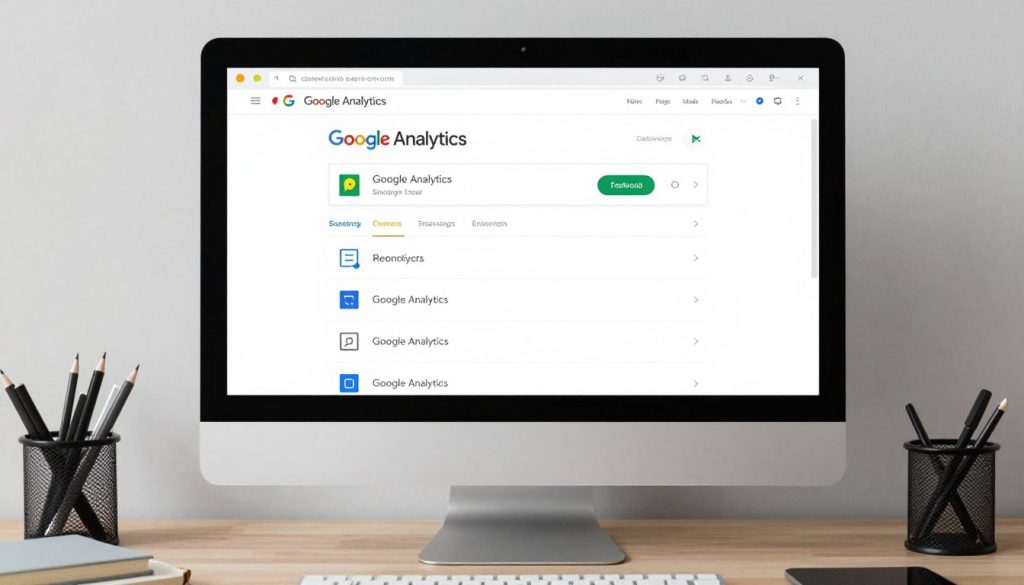
Since nearly all marketers use their website as a marketing channel, having the right information is vital. Google Analytics is a free tool that tracks demographics, locations, and device usage. To start your Google Analytics setup, add the tracking code to your website to see results.
This tool helps you analyze content performance and seo impact. It usually takes 24 to 48 hours to gather this information after you install the code. You can then use these reports to make better decisions for your business.
Adjusting Your Strategy Based on Data
Adjust your marketing strategy based on how well your content performs. We suggest creating marketing campaigns around specific, measurable goals. This ensures your content helps build a recognizable brand over time.
A strategy focused on performance leads to long-term growth. Use these insights to refine every campaign and expand successful tactics. This keeps your brand strong and relevant in a competitive market.
Common Small Business Marketing Mistakes to Avoid
Costly errors in your marketing strategy can waste a limited budget and prevent your business from growing. Even with significant effort, these mistakes keep small companies from reaching their full potential. Understanding your audience is the first step to avoiding these common pitfalls.
“Brand-focused campaigns can achieve four times the bottom-line impact compared to those without a clear identity.”
Trying to Reach Everyone Instead of Your Target Audience
If you try to appeal to everyone, you end up reaching no one. Generic messaging dilutes your impact and spends resources on people who will never buy. Instead, focus on a specific target audience most likely to convert.
A targeted audience focus creates compelling messages that drive actual sales. It allows you to speak directly to the specific needs of your customers. Narrowing your target allows for more efficient spending and better results.
Neglecting to Track Results
Operating without data means you are essentially flying blind. You might continue using ineffective tactics while missing chances to scale what actually works. To make sure your marketing stays on track, you must monitor performance metrics regularly.
Constant monitoring helps you catch and correct issues quickly. This proactive approach saves you from wasting time on underperforming ads. We recommend checking your data at least once a week to make sure you are on the right path.
Inconsistent Branding Across Channels
Confusing prospects with different visual styles or tones damages your credibility. A consistent brand voice and look build the trust needed to turn leads into loyal buyers. Maintaining uniformity across all touchpoints is essential for long-term recognition.
| Common Mistake | Recommended Correction |
|---|---|
| Broad targeting | Niche audience focus |
| Ignoring analytics | Weekly performance tracking |
| Scattered visuals | Unified identity |
Identify your unique value before you launch any new marketing campaign. Small businesses gain a competitive edge by articulating their unique value proposition clearly. Strong brand fundamentals help your business compete effectively while keeping your brand messaging clear.
Partner with North Layer to Accelerate Your Growth

Most small business owners reach a point where managing every detail of their promotion becomes a barrier to actual growth. While this guide provides the necessary frameworks, implementing these marketing efforts effectively requires time and deep expertise.
We understand that your focus should be on running your business, not troubleshooting complex digital campaigns. Working with an experienced partner allows you to bypass the overwhelming trial-and-error phase.
Why Professional Marketing Support Makes a Difference
Expert support helps businesses identify the highest-ROI tactics for their specific industry and audience. Instead of spending months testing approaches that may not fit your business model, you can apply proven strategies immediately.
Our team at North Layer specializes in creating a clearer marketing strategy that generates better-qualified leads. By focusing on practical execution, we help you avoid common mistakes like broad targeting or neglecting performance data.
Professional guidance provides the clarity you need to make confident decisions. We ensure your limited budget is focused only on the areas that generate actual, measurable results.
Book Your Growth Call Today
A professional partnership provides the tools and insights needed to ensure long-term success in an ever-changing market. Our services are designed to reduce your overwhelm while maximizing the reach of your brand.
The Growth Call is a practical starting point to review your existing marketing and find new opportunities. We will help you develop an actionable plan tailored to your industry and unique business needs.
Contact North Layer to Book a Growth Call and get started today by reaching out at hello@northlayer.co for expert marketing services. We look forward to discussing your current marketing efforts and helping you build a more profitable future.
Conclusion
Effective small business marketing brings together strategic planning and practical execution to drive sales growth. Success comes from mastering the basics, like the Four Ps and a strong value proposition. By focusing on a specific target audience, you can find the best marketing mix for your unique business.
Small businesses have a distinct edge over large brands because they can pivot quickly. Your small business can use this agility to test new ideas and build personal relationships with customers. These direct connections often lead to higher loyalty and better long-term engagement.
Always measure your results to protect your budget and ensure growth. Using data helps you identify which marketing strategies actually generate a high ROI. This approach ensures you spend time on tactics that work instead of repeating mistakes.
Implementing these frameworks takes effort, but building a system leads to sustainable results. Make sure to avoid common pitfalls like inconsistent branding or targeting too broadly to keep your message clear.
While this information provides a complete guide, expert resources can help you scale faster. Whether you handle tasks in-house or with partners, these ways of managing your business marketing create a lasting foundation.



