


Have you ever wondered why some local shops flourish while others struggle to find a single lead? Success often comes down to how well you connect your solutions with the people who need them most.
While many owners share their value naturally, reaching a larger audience requires a systematic strategy to ensure consistent results. We believe that effective outreach focuses on specific wants rather than just selling a generic product.
Recent data shows that 66% of customers expect companies to understand their unique needs and expectations. By fine-tuning your campaigns, you can guide new leads through a repeatable sales funnel.
Scaling a company involves trial and error at the start, but every effort teaches you how to reach potential customers with precision. Using the right marketing tools helps you track your return on investment to see where your budget works best.
Key Takeaways
- Effective outreach links your services to the people who need them most.
- Over 66% of customers demand that a business understands their specific needs.
- Systematic processes help scale the natural value you already provide to leads.
- Tracking ROI ensures your marketing budget delivers measurable financial results.
- A repeatable sales funnel guides potential buyers toward a final purchase.
- Initial trial and error leads to better precision in all future campaigns.
What is Small Business Marketing and Why It Matters
Small business marketing is the intentional process of connecting your unique solutions with the people who need them most. It is not just about shouting the loudest in a crowded room or spending the most money. Instead, it is a strategic approach to business marketing that focuses on the specific needs of your target audience.
Definition and Core Purpose
At its heart, marketing involves promoting your products services to find new customers while keeping your current ones engaged. We believe the core purpose is to connect with your community through cost-effective channels that deliver clear, measurable results. This process helps you show how your business differs from the competition so people know exactly why to choose you.
The Four Ps Framework: Product, Price, Promotion, and Place
The Four Ps framework helps small businesses address the essential elements that shape a buyer’s choice. Using these strategies ensures you cover every angle of the customer journey, from the first look to the final sale. It keeps your business marketing efforts organized and efficient without wasting valuable resources.
| Element | Focus Area | Business Impact |
|---|---|---|
| Product | Meeting Customer Needs | Solves real problems for users |
| Price | Reflecting Value | Ensures competitiveness and profit |
| Promotion | Building Awareness | Reaches people where they spend time |
| Place | Making it Available | Ensures products are easy to buy |
How Marketing Drives Revenue Growth
Good marketing builds a bridge of trust between your business and your future customers. When people recognize your brand and value your product, they feel more comfortable making a purchase. This increased visibility naturally leads to more sales and higher profit margins over time.
By offering reliable services, you encourage repeat buyers and valuable word-of-mouth referrals. Effective marketing also allows you to track which tactics generate sales and which ones simply waste your budget. This data-driven approach ensures your marketing budget works harder to grow your bottom line every single day.
“Marketing is no longer about the stuff that you make, but about the stories you tell.”
Building Your Marketing Foundation
Before you launch any ads, you must lay down the fundamental blocks of a successful marketing strategy. This phase ensures your small business does not waste money on tactics that miss the mark.
We believe that a sturdy framework provides the clarity needed to scale your revenue. By taking these initial steps, you create a roadmap that guides every future decision you make.

Defining Your Value Proposition
Your value proposition gives potential buyers a compelling reason to purchase from you instead of a competitor. Focus on the benefits your product delivers rather than just listing technical features.
A customer usually buys a solution to a specific problem, not just a set of specifications. We suggest collecting feedback from early users to refine your messaging into testimonials for your website.
| Element | Focus on Features | Focus on Benefits |
|---|---|---|
| Product Value | List of technical specs | Solving a daily problem |
| Marketing Goal | Explaining how it works | Showing how life improves |
| Customer Result | Understanding the tool | Achieving a specific outcome |
Identifying Your Target Audience
Effective strategy begins by knowing exactly who your ideal target audience is. You should define their age, income, and location, but also understand their specific target pain points.
The more specific you get, the more effectively you can create tailored messages. Knowing how your service meets their needs allows you to speak directly to their buying behavior.
Setting SMART Marketing Goals
Setting SMART goals gives you something concrete to strive for and measure against. These milestones must be Specific, Measurable, Achievable, Relevant, and Time-based.
This structure allows a business to track progress meaningfully and course-correct when needed. Without clear metrics, it is difficult to tell which parts of your plan are actually working.
Creating Brand Messaging That Resonates
Your brand needs to speak directly to the hearts and minds of your audience. Consistency across all customer touchpoints builds the trust necessary for long-term growth.
Brand Promise and Positioning Statement
A strong brand promise sets the standard for what a customer can expect from your company. Use a direct positioning statement like: “We do X for Y people and drive Z results.”
Brand Voice and Tone
The voice you use in your marketing strategy should reflect your industry and your personality. Whether you are playful or formal, maintaining a steady tone helps the audience feel a connection to your small business.
“Clarity in your message is the bridge between a great product and a loyal customer.”
By aligning your strategy with these core goals, you ensure every business dollar spent is an investment. Refining your target audience early saves time and helps you reach your target faster.
Essential Marketing Tools and Technology for Small Businesses
To grow your revenue effectively, you need a robust foundation of technology that streamlines your daily operations. The right tools allow we to work smarter rather than harder by automating repetitive tasks. This section explores the specific technology you need to implement successful marketing strategies for your business.
Customer Relationship Management (CRM) Systems
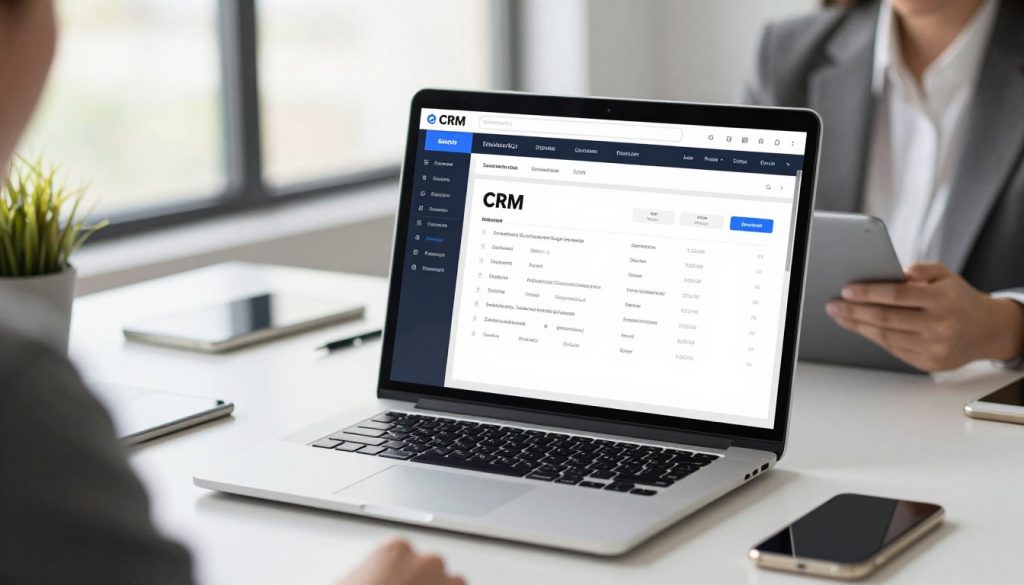
A CRM system acts as a central hub for all your customer data. It organizes prospective and current lead information in one place for your sales and success teams. Efficiency improves when everyone can access the same records instantly.
About half of U.S. small and midsize companies currently use these systems to gain a competitive advantage. Interestingly, 15% of these businesses implemented their software within the last year alone. These platforms help we discover actionable insights about how people interact with your brand.
Email Marketing Platforms
Email marketing platforms help you design professional campaigns and store contact lists safely. You can create segments for different types of buyers to send more relevant messages. Sending the right message at the right time is essential for conversion.
These platforms also track email behavior like open rates and link clicks to improve your results. We recommend monitoring which links people click to understand what interests them most. Tailoring messages based on the customer journey helps increase your overall sales volume.
Social Media Management Tools
Managing multiple social channels is much easier with a dedicated marketing platform. These tools help you schedule posts in advance and grow your follower count efficiently. Consistent posting is the key to staying top-of-mind with your audience.
You can also use social listening features to join relevant conversations about your industry. Tracking these metrics allows you to refine your marketing approach over time. This ensures you spend your time on the platforms that provide the best return.
Google Analytics for Data-Driven Decisions
Your website is your most important digital asset and requires constant monitoring to succeed. Google Analytics is a free tool that tracks website visitor data, including age and location. It provides a clear picture of how people find your services online.
It takes about 24 to 48 hours for visitor information to appear after you install the tracking code. Since 99% of marketers use their website as a primary channel, this data is essential. We use these insights to stop guessing and start making informed growth decisions.
Content Calendar and Project Management Software
A content calendar keeps your team aligned on publication dates for blogs and videos. This tool centralizes your scheduled content so everyone knows their specific responsibilities. Organization prevents the last-minute rush that often hurts quality.
Using project management software alongside your calendar ensures every task meets its deadline. These tools track every stage of marketing production from the initial idea through the final promotion. Assigning clear owners to each task keeps your revenue goals on the right track.
Digital Marketing Strategies to Grow Business Revenue for Small Business Using Marketing
To grow your revenue, you must master the digital channels where your customers spend their time every day. These marketing strategies allow us to help you reach a wider audience without the high costs of traditional media.
By using the right online approach, we can turn your digital presence into a lead-generating engine. We focus on measurable outcomes that directly impact your bottom line and scale your business.
Search Engine Optimization (SEO) and Content Marketing
SEO helps your website rank higher in search results organically. This process uses specific design elements to help search engines find your business online.
According to a SISTRIX study, the top spot on Google earns a massive share of user attention. This is often more cost-effective than paying for search ads over a long period.
| Search Result Position | Average Click-Through Rate |
|---|---|
| First Position | 29% |
| Second Position | 16% |
| Third Position | 11% |
Publishing helpful content like videos and blogs builds trust with potential customers. We suggest creating four or five quality pieces before promoting your website to keep visitors engaged. This type of marketing establishes your expertise and keeps people on your page longer.

Social Media Marketing Tactics
Data shows that 81% of consumers are swayed by social media to make spontaneous purchases. These media platforms are powerful for promoting a specific product and building brand awareness where people browse daily.
Focus only on the social media channels your customers actually use. Instead of trying to be everywhere, provide fast responses to comments and complaints. This level of personal service builds lasting trust through social media interactions.
Email Marketing Campaigns That Convert
Direct email marketing remains the top preferred channel for customer communication. Automated email marketing workflows generate 30 times higher returns than standard one-off campaigns.
- Segment your list: Treat loyal customers and new leads differently.
- Automation: Use automated marketing to send messages at the perfect time.
- Value: Ensure every content piece provides a benefit to the reader.
Use these specific tactics to ensure your message reaches the right person. Tailored marketing keeps your brand top-of-mind throughout the buyer’s journey.
Paid Advertising and Retargeting
Paid advertising lets you reach a specific target audience using demographic data. This ensures your budget is spent on people most likely to buy your products or services.
Social Media and Search Engine Ads
Retargeting serves ads to people who visited your site and left. These tactics remind them of the product they viewed or the items left in their cart. Using social media ads helps capture that lost revenue efficiently.
Influencer Partnerships and Podcast Sponsorships
Influencers promote your products to their engaged followers in a way that feels natural. Podcast sponsorships reach niche groups who already trust the media they listen to regularly. These marketing strategies help expand your marketing reach to highly focused and loyal groups.
Traditional Marketing Methods That Still Work
Traditional marketing methods offer unique advantages in 2025, including a deep local market reach and physical materials people can touch. Many small businesses find less competition in offline spaces compared to crowded digital channels.
We believe that using tangible items creates a lasting impression that digital ads often struggle to replicate. These offline tactics work best when they complement your online efforts to maximize your total brand visibility.

Direct Mail and Print Advertising
Sending physical materials is a highly effective way to reach potential or existing customers. Research shows that direct mail achieves a 9% response rate to house lists, which is much higher than email’s 1% rate.
Print advertising in local newspapers, brochures, and flyers helps businesses build awareness at a predictable cost. This approach is great for highlighting a specific service or promoting an upcoming community event.
Direct mail works exceptionally well for announcing sales or reconnecting with clients who have not purchased recently. It provides a physical reminder of your value that stays in the home longer than a digital notification.
Local Event Marketing and Community Sponsorships
Local event marketing puts you face-to-face with prospective people at trade shows or industry gatherings. You can demonstrate your service and answer questions in real time to show how you meet specific needs.
Sponsoring local teams or charities is another strategic way for small businesses to build goodwill. This keeps your brand visible in the local market while proving your commitment to the community’s success.
Word-of-Mouth and Referral Programs
Word-of-mouth remains one of the most powerful marketing methods in any industry. It relies on the trust you have built with your current customers over time.
87% of consumers believe user-generated content influences their buying decisions, outperforming even search engines.
Referral programs encourage satisfied clients to spread the word by offering coupons or rewards. When small businesses incentivize these reviews, they lower the long-term cost of acquiring new leads.
Outdoor Advertising and Billboards
Outdoor advertising through billboards and banners works especially well for brick-and-mortar businesses. While digital media is popular, traditional media like radio still reaches large audiences at affordable rates. These methods help your brand stay relevant to local customers in your industry.
| Marketing Method | Primary Benefit | Target Focus |
|---|---|---|
| Direct Mail | 9% Response Rate | Existing House Lists |
| Local Events | Face-to-Face Trust | Community Prospects |
| Referral Programs | 87% Purchase Influence | Loyal Brand Advocates |
Creating and Implementing Your Marketing Plan
A well-defined marketing plan serves as the engine that drives consistent revenue growth for your company. It turns your broad business strategy into clear, actionable steps that produce results we can measure. By documenting your approach, you move away from guesswork and toward a system that builds a loyal customer base over time.
Execution is the bridge between a great idea and a profitable result. Without a plan, small business owners often waste time on random acts of marketing that do not align with their long-term vision. We focus on creating a roadmap that helps you stay consistent and focused on the right activities.
Step 1: Set Clear, Measurable Goals
Success starts with defining exactly what you want to achieve through your marketing strategy. You must set specific goals, such as increasing brand awareness or generating a set number of qualified leads. These targets allow you to objectively measure if your efforts are working within a specific timeframe.
Step 2: Conduct Market Research and Competitive Analysis
Deep research helps you understand the preferences of your target market. You need to gather information about what your competitors do well and where they fall short. This knowledge allows you to position your business to fill gaps and better serve your customer base.
The Small Business Administration provides excellent free guidance for conducting professional market research. By performing a thorough competitive research phase, you ensure your strategy addresses the real needs of the modern consumer. Understanding the market landscape prevents you from entering a space without a clear advantage.
Step 3: Determine Your Marketing Budget
Allocating the right budget is vital for sustainable growth without overextending your resources. A general guideline is to spend 2% to 5% of your revenue on marketing, depending on your industry and stage. Newer businesses often need a larger budget to build initial awareness in a crowded space.
| Business Stage | Recommended Budget | Primary Objective |
|---|---|---|
| New Business | 5% – 10% of Revenue | Brand Awareness |
| Established | 2% – 5% of Revenue | Retention & Growth |
| High Growth | 10%+ of Revenue | Market Expansion |
Monitor your budget closely to see which initiatives offer the best return on investment. This careful research into your spending helps you identify high-performing tactics quickly. We recommend adjusting your budget quarterly to stay aligned with your current financial goals.
Step 4: Choose Your Marketing Channels
Select your channels based on where your target audience actually spends their time. A successful marketing plan usually involves a mix of digital and traditional methods working together. Do not feel pressured to be everywhere; instead, pick the channels that best reach your potential customers.
“Planning is bringing the future into the present so that you can do something about it now.”
Step 5: Create Compelling Content and Campaigns
Your content must communicate a clear message that connects emotionally with your audience. Develop a consistent marketing strategy that highlights what makes your brand different from the rest. Every piece of content should have a purpose, whether it is to educate, inspire, or drive a sale.

Plan specific steps for your campaigns, including who is responsible for each task. High-quality content works best when it follows a schedule that keeps your brand top-of-mind. Effective communication is the key to turning casual observers into paying clients.
Step 6: Track Performance and Optimize
The final step in your marketing plan is to track performance through real-world data. Use research from your analytics to measure engagement, sales, and conversion rates across all tactics. If a specific campaign is not hitting its goals, you must be ready to adjust your approach immediately.
Continuously optimize your business efforts by expanding what works and cutting what does not. Data-driven decisions lead to a healthier marketing plan and better long-term revenue. Contact North Layer to Book a Growth Call and get started today at hello@northlayer.co to build your custom path to success.
Conclusion
Growing small business revenue needs a clear marketing strategy and steady efforts. This focus on your target audience builds a trusted brand which can get four times the impact. We suggest research and monitoring consumer habits or industry trends to fix your product service.
The best way to grow is to test tactics like email marketing for your customer base. Business marketing should lower cost and improve sales on your website while reaching more people. Contact North Layer to Book a Growth Call and get started today or reach us at hello@northlayer.co to help your small businesses thrive.
| Marketing Goal | Key Action |
| :— | :— |
| Build Brand | Focus on target audience and trust |
| Increase Sales | Test email marketing and web tactics |
| Track Results | Research industry trends and market data |



