


Many owners think they need a big crew or expensive gear for professional outreach. But, authentic connection is more important than looking fancy. Using video marketing for small business helps you explain your services and connect with your audience.
You don’t need a big campaign to get results. By making helpful, honest videos, you can help people make their decisions. Good small business video marketing answers questions and shows your brand’s human side.
We think video content for small business should fit with what you’re already doing. This way, you attract, engage, and convert leads by giving value, not just selling. We aim to teach you these easy ways to grow and boost your profits.
Key Takeaways
- Authenticity often outperforms high-budget production in building customer trust.
- Simple, helpful clips effectively guide prospects through the buying journey.
- You do not need expensive equipment to start creating professional assets.
- Focus on answering common customer questions to establish your authority.
- Consistent, valuable information converts better than aggressive sales messaging.
The Importance of Video Marketing for Small Businesses
Video content is like a digital handshake, introducing your brand to people before they even contact you. In today’s fast world, video marketing for small business owners helps connect initial interest with a final buy.
Understanding Video's Impact on Decision-Making
Text-heavy websites can overwhelm people. Video makes complex info simple, letting viewers understand your value quickly.
By explaining things clearly, you make it easier for people to buy. When they know what you offer, they feel more sure about their choice. This is a key video marketing benefit for small business, making your brand familiar before anyone asks.
Building Trust Through Authentic Content
Trust is key in today’s market. People doubt slick, corporate ads that seem fake.
Use authentic stories instead. Share team introductions, real product demos, and true customer success stories. This lets viewers see the real people behind your brand. When you offer helpful, honest advice, you show you’re a reliable partner, not just another seller.
Video Marketing Statistics That Matter
When planning your video marketing strategy, look at the data. For example, videos get six times more engagement than photos. Also, about 72% of people prefer learning about new products through videos.
Success in digital marketing isn’t just about following trends. It’s about picking the right tools for your audience.
While these stats are promising, success depends on many factors. Your results will vary based on how well you know your audience, the quality of your content, and how often you post. A well-thought-out video marketing strategy helps your efforts match your business goals, turning casual viewers into loyal customers.
Types of Videos Small Businesses Can Create
You don’t need a big budget to make video content for small business that connects with your audience. Focus on being clear and genuine. This way, you can create content that works for your brand all the time. Whether you run a local store or a professional service, the right video can reach more people on TikTok, Instagram Reels, and YouTube Shorts.
Introduction Videos to Share Your Brand Story
An introduction video is like a digital handshake. It tells viewers who you are, what you believe in, and why you started your business. Being real is important; people want to see the people behind the brand to feel a connection.
Product Demonstrations to Showcase Features
Use videos to show your product in action instead of just images. A small business promotion video that shows how your product helps customers is more convincing than a regular ad. Show how your service or product solves a real problem for users.
Customer Testimonials for Social Proof
People often look for proof before buying. Short clips of happy customers talking about their good experiences can help build trust. These videos are great because they feature real people, not scripted messages.
Educational Content to Establish Authority
Show your business as a helpful expert by answering common questions. This small business video marketing builds trust over time. You could share a quick “how-to” guide, a behind-the-scenes look, or a before-and-after of a project. By giving value without pushing sales, you make viewers more likely to come back when they’re ready to buy.
Creating Engaging Video Content
Creating videos for small businesses is a process that turns simple questions into valuable assets. Focus on solving a problem or achieving a useful outcome. This way, your videos will deeply connect with your audience.
Tips for Scripting Compelling Narratives
Good small business video production starts with a solid script. Begin with a clear opening that addresses a customer’s pain point. Keep your message focused on one idea to avoid confusing viewers.
Always end your video with a direct call to action. Tell viewers what to do next, like visiting your website or signing up for a newsletter. This structure turns casual viewers into engaged leads.
Utilizing Captivating Visuals and Audio
You don’t need expensive cameras or sets for professional results. Focus on understandable audio first. A simple lapel microphone ensures your message is clear.
Keep your visuals simple and uncluttered. This keeps your message in focus. Adding captions is key, as many watch videos on mobile with sound off. Captions make your content accessible to all.
Editing Techniques for Professional Quality
One well-planned video can be repurposed in many ways. It can become a blog article, social media clips, or a YouTube Short. This approach reduces waste and boosts your investment return.
When making video content for small business, aim for consistency over complexity. Use simple editing tools to refine your video. The table below shows how to keep quality high without spending a lot.
| Production Element | Low-Cost Approach | High-Cost Approach |
|---|---|---|
| Lighting | Natural window light | Professional studio kits |
| Audio | Clip-on lapel mic | Boom mics and mixers |
| Editing | Free mobile apps | Advanced desktop software |
| Strategy | Customer-focused Q&A | Scripted commercial ads |
Platforms for Video Distribution
You don’t need to be on every social media channel to see results. A good video marketing strategy focuses on where your customers spend their time. It’s better than trying to be everywhere at once.
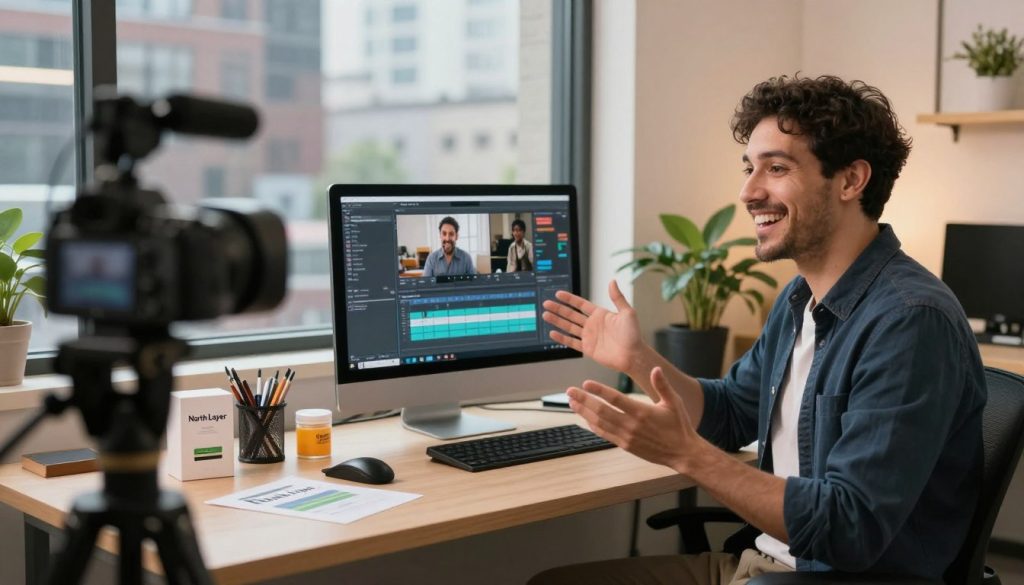
Choosing the Right Social Media Channels
When you make a small business promotion video, you can use the same footage on different platforms. For example, a long video can be cut into shorter clips for TikTok, Instagram Reels, or YouTube Shorts.
It’s important to match the video format to the platform’s style. TikTok likes raw, real clips, while Instagram Reels do well with a bit more polish. Repurposing your content saves time and keeps your brand voice consistent across platforms.
The Role of Video on Business Websites
Your website is your brand’s home, perfect for hosting valuable video content. A well-placed video can explain your services, show off product features, or answer common questions fast.
Putting videos on pages focused on conversion helps visitors quickly see your value. This clarity can lead to more engagement and longer site visits. Search engines see this as a sign that your content is helpful.
Using Email Marketing to Share Videos
Email is a powerful way to reach your audience directly. Adding a video to your newsletter can boost click-through rates compared to text-only emails.
Sharing a video via email adds a personal touch, building stronger connections with your subscribers. If some videos do exceptionally well, consider small business video advertising to reach more people.
This paid approach lets you target specific groups with a clear offer. Link your ads to a dedicated landing page to track results. This ensures your small business video advertising budget is growing your business.
SEO Best Practices for Video Marketing
A strong video marketing strategy connects creative stories with search visibility. It makes sure your video content for small business finds the right audience. This way, your video becomes a valuable asset for your website, social media, and brand.
Optimizing Video Titles and Descriptions
Search engines can’t watch videos, so they rely on text. Start with descriptive, keyword-rich titles that clearly state what viewers will learn. Use specific phrases that match what customers often search for.
Your description should be short and to the point. Include relevant keywords naturally. But, focus on giving a helpful summary for the viewer. This helps search engines understand your content and encourages viewers to click.
Using Tags and Thumbnails for Visibility
Thumbnails are like digital storefronts for your video. A high-quality, custom thumbnail that clearly shows the topic can boost clicks. Use bold text and clear images to catch attention fast.
When you can, use tags to add context about your industry and topics. These tags help platforms suggest your content to viewers. Being consistent in these details strengthens your video content for small business.
Importance of Transcribing Video Content
Transcripts are key for accessibility and search engine indexing. They let search engines crawl the spoken content, giving them more context. This makes your video searchable for specific phrases.
For example, if you answer a common plumbing question in a video, you can also create a blog article, social media clip, and FAQ section. Each format uses the core information but fits the channel. This efficient repurposing ensures value across all platforms without copying.
Budget-Friendly Video Production Tips
You can make great videos for your business with tools you probably already have. Many think they need a fancy studio to be competitive. But, being real and authentic often connects more than expensive, polished videos. The key to video marketing tips for small business success is to focus on your message, not fancy equipment.

Affordable Equipment for High-Quality Videos
Great content starts with simple, cheap items. You don’t need a fancy camera to begin; your smartphone can do the job.
- Stable support: Use a basic tripod to avoid shaky footage.
- Natural light: Stand near a window for better lighting.
- Quiet space: Pick a room with soft surfaces to reduce echo.
Leveraging Mobile Technology for Filming
Today’s smartphones have amazing cameras for small business video production. Focus on clear audio more than perfect visuals. People will forgive a little graininess but not bad sound.
Always film in a quiet spot and keep your phone steady. Use the grid lines in your camera app to frame your shot right. Keep your eyes at the top third of the screen for a professional feel.
Using Free and Low-Cost Editing Software
After filming, you need to put your clips together into a story. Many easy-to-use tools help you trim clips, add text, and adjust audio levels without a big learning curve.
Here are some easy options for your editing needs:
- CapCut: Great for quick edits and cool captions.
- DaVinci Resolve: A free, powerful editor for more complex projects.
- Canva: Ideal for adding your brand and simple transitions.
By focusing on these key points, you save time and money while keeping your content trustworthy. Consistent, helpful content is key for any brand to grow.
Measuring the Success of Video Marketing
Looking beyond just view counts shows the real value of your video content. Many owners focus on vanity metrics, but true success comes from tracking actions that drive revenue. Good video marketing for small business means focusing on data that shows real customer interest.
Key Performance Indicators to Track
To see the video marketing benefits for small business, track important metrics. Look at qualified views, which show viewers understood your message. Also, track watch time and retention to see what parts of your video work best.
Don’t just look at engagement. Focus on actions like clicks, inquiries, calls, and appointments. If you’re running paid ads, watch your cost per lead and return on ad spend. These numbers show if your ads are worth the cost.
Analyzing Viewer Engagement and Retention
Retention data is key to planning your future content. It shows where viewers lose interest. High retention rates mean your message is hitting the mark with your audience.
Use this data to tweak your content. If viewers drop off early, make your script tighter or add a hook. Regular analysis keeps your content effective.
A/B Testing Videos for Better Results
A strong video marketing strategy involves constant improvement through testing. Test different hooks, lengths, thumbnails, and captions to see what works best. Even small changes to your call to action or landing page can make a big difference.
When using small business video advertising, A/B testing is even more important. Testing two ads lets you see which one gets more clicks. This approach saves money and helps you focus on what works for your audience.
Overcoming Common Video Marketing Challenges
Creating great videos doesn’t have to stress your team out. Many worry they can’t compete with big brands because of time, budget, or tech skills. But, by making things simpler, you can handle these challenges easily.
Addressing Time Constraints for Small Teams
Finding time to film can be tough. Instead of making a new video every day, try batching your efforts. Record four or five short clips in one afternoon to fill your calendar for a month.
Reuse your best topics to save time. If a blog post did well, turn it into a quick video. Give simple tasks to team members to avoid feeling overwhelmed with small business video production.
Battling Limited Budgets and Resources
You don’t need a big budget or fancy gear for good video marketing. Use your smartphone and free editing software to get professional results. Your audience wants authenticity over fancy production.
“The best marketing doesn’t feel like marketing; it feels like a helpful conversation that solves a real problem for your customer.”
Keep your videos short to save time and money. A clear, 15- or 30-second message is better than a long video. Focus on one main point to keep your audience interested.
Navigating Technical Issues in Production
Technical problems can mess up your plans. Before you start small business video advertising, check everything with a standard checklist. This step stops common mistakes that waste money.
Here are key things to check before you publish:
- Verify all links to make sure they work right.
- Check your captions for accuracy to help more people.
- Confirm tracking codes are on to see how well your ads do.
- Set budget limits to avoid spending too much.
By setting up these checks, you protect your brand and make sure your small business video advertising reaches the right people. Being consistent and prepared is key to success.
Future Trends in Video Marketing for Small Businesses
The world of digital media is always changing, but the need for connection stays the same. Small businesses that tell real stories and produce clear videos will be ready for new trends. They will know how to reach their audience in the best way.
The Rise of Live Streaming and Real-Time Interaction
Live streaming is a great way to connect with people. It lets brands talk to customers live and show off products easily. This method feels more personal and urgent than pre-recorded videos.
Interactive Video Content and User Engagement
Interactive videos let viewers take control. They can click on polls or choose what happens next. This makes them feel more involved and helps businesses learn what their audience likes.
Predictions for Video Marketing in the Coming Years
To succeed, keep making videos regularly and focus on what matters. Create content that solves problems for your customers. Try new things but always stay true to your brand.
By checking how well your videos do and listening to your viewers, you can grow. This way, your video marketing plan will keep up with your business.



