


Today, customers don’t always find what they need right away. They search online, check maps, and read reviews before buying. It’s key for your business to show up where your neighbors are looking.
Using local social media marketing helps you stay seen during this search. It answers questions and makes your business seem familiar before anyone contacts you. By being consistent, you turn online interest into real connections.
Success isn’t just about how many followers you have. We look at meaningful outcomes like phone calls, visits, and website activity. Smart social media promotion boosts your bottom line by building trust and saving on ads. When you offer value, you attract loyal customers instead of just clicks.
Key Takeaways
- Customers research businesses across multiple platforms before visiting.
- Visibility on digital channels builds essential trust with your community.
- Focus on tangible results like bookings, not just follower counts.
- Consistent engagement helps reduce overall advertising waste.
- Building familiarity early makes the final sale much easier.
What is Local Social Media Marketing?
Online local marketing is more than just posting updates. It’s about connecting your digital presence to your physical store. It’s a deliberate and planned social activity aimed at reaching people in your area. This way, online interactions lead to real-world visits.
Definition and Importance
This strategy focuses on the unique needs of your neighbors. Successful local business advertising goes beyond just selling. It talks about local events, answers community questions, and celebrates the local culture.
By being useful, you become a trusted neighbor, not just another brand. This builds real loyalty. People like to support businesses that care about the community.
Differentiation from General Social Media Marketing
General social media marketing aims for wide reach and viral trends. But online local marketing focuses on depth and relevance in a specific area. You’re not trying to reach everyone. You’re aiming for the right people who can visit your store or use your services.
Many businesses post too much promotional stuff without value. Good local business advertising has practical calls to action and content specific to your area. By focusing locally, every post has a clear purpose for your audience.
Benefits of Local Social Media Marketing
Investing in local social media marketing connects your physical store with your online followers. Many business owners struggle to stay in customers’ minds between visits. A consistent online presence keeps your brand alive, even when you’re not open.
Enhanced Local Visibility
Social media doesn’t directly affect Google rankings, but it amplifies your brand. Regular social media management boosts website traffic. This signals to search engines that your business is active and trusted.
Sharing updates about your services or community involvement grows your digital presence. This makes your brand more familiar when people search for services in your area. Consistency is the key to turning casual viewers into loyal customers.
Building Customer Trust
Trust is essential for small businesses. Showcasing the human side of your operations builds trust. This includes sharing behind-the-scenes content, highlighting staff, or responding quickly to comments.
Encouraging customers to share their experiences on your pages adds credibility. Seeing real interactions and helpful responses makes new visitors more likely to choose you. This approach turns your social media into a trusted resource for your local audience.
Cost-Effectiveness for Small Businesses
Many owners think marketing needs a big budget. But local social media marketing is cost-effective. You don’t need to be on every platform to see results.
Focus on the platforms where your customers spend time. This targeted approach prevents wasting your budget. Practical, focused execution leads to better leads and higher conversion rates while keeping costs low.
Key Platforms for Local Marketing
Effective local digital marketing means meeting your customers where they spend their time. You don’t need to be on every social media platform to grow. Focus on the ones that best match your audience and goals.
Facebook: The Local Community Hub
Facebook is key for businesses wanting to connect with their local community. It’s like a digital town square. Here, you can share updates, manage events, and talk directly to neighbors.
It’s great for local ads too. You can target people living close to your store. This ensures your message gets to the right people.
Instagram: Visual Storytelling for Small Businesses
Instagram is like your digital storefront. It’s perfect for showing off your products, projects, or team. Customers look here for visual proof before visiting.
Sharing real customer experiences builds trust. It turns followers into loyal customers.
TikTok: Engaging Gen Z Locally
TikTok is a chance to connect with younger people through creative videos. It might seem scary, but it’s a great way to show your brand’s personality.
Use trends that fit your business. Pairing TikTok with local SEO services boosts your local visibility.
| Platform | Primary Strength | Best Content Type | Target Audience |
|---|---|---|---|
| Community Building | Events & Updates | Broad/Local Residents | |
| Visual Branding | Photos & Reels | Millennials/Gen Z | |
| TikTok | Local Discovery | Short-form Video | Gen Z/Young Adults |
Your social media should support your overall strategy. Using local SEO services keeps your online presence strong, trusted, and easy to find.
Crafting a Local Marketing Strategy
Strong local marketing starts with a plan that matches your business goals to your community’s needs. Without one, you may waste resources on tactics that do not support growth. A clear structure gives every post and interaction a purpose.
Identifying Your Target Audience
Look beyond basic demographics to reach the right people. Analyze the neighborhoods or regions where your customers live and work. Study their daily habits, service needs, and problems they want to solve.
Understanding your audience helps you tailor messages to their local experiences. Speaking to their interests and behaviors builds connections that encourage loyalty and repeat business.
Setting Goals and KPIs
Vague goals like “increasing awareness” rarely show measurable success. Set clear outcomes that affect your bottom line. We recommend tracking actions that show real customer interest.
- Website visits from local traffic sources.
- Phone calls generated through business profiles.
- Quote requests or appointment bookings.
- Event registrations or in-store purchases.
Choosing the Right Platforms
Disciplined social media management keeps your efforts focused instead of spreading them across every app. Prioritize platforms where your audience spends time. Focusing on one or two channels helps you publish consistently and keep your brand visible.
The following table helps you evaluate which platforms fit different local businesses and their main goals.
| Business Type | Primary Platform | Key Metric |
|---|---|---|
| Local Restaurant | Reservations | |
| Professional Services | Consultation Requests | |
| Retail Boutique | TikTok | In-store Traffic |
| Home Contractors | Nextdoor | Direct Messages |
Effective social media management does not mean being everywhere at once. It means showing up where your customers pay attention. Choose the right tools, track clear goals, and build a sustainable path for long-term success.
Creating Engaging Local Content
Building a loyal local following requires content that feels like a conversation, not a billboard. Helpful, community-focused updates help establish your business as a trusted neighbor. This approach moves beyond hard selling and builds authentic relationships with people who live and work nearby.
User-Generated Content and Reviews
Your customers are your best advocates. Sharing photos or testimonials from local patrons offers social proof and builds quick credibility with new visitors. When neighbors see familiar faces enjoying your service, they are more likely to trust your brand.
“People do not buy goods and services. They buy relations, stories, and magic.”
Encourage your audience to tag your business in their posts. Resharing this content turns your feed into a lively community hub. This organic social media promotion feels personal and genuine, which local customers value when choosing where to spend their money.
Local Events and Promotions
Successful local content highlights what is happening in your community now. Your posts need a clear call to action for workshops, school fundraisers, and seasonal sales. Phrases like “Book Now,” “Shop Today,” or “Register for the Event” help turn interest into actual foot traffic.
While organic posts build trust, you can use social media advertising to help your event reach the right people in your specific zip code. This targeted approach amplifies your message without overwhelming existing followers with constant sales pitches.
Collaborating with Other Local Businesses
Partnering with non-competing businesses nearby can expand your reach. For example, a local coffee shop might team up with a nearby bookstore for a joint giveaway. These collaborations introduce your brand to a relevant audience that already values local support.
By cross-promoting, you create a network of trust that benefits everyone involved. This strategy makes your social media promotion feel like a community effort, not a solitary marketing task. When businesses support one another, the local economy grows stronger, and your brand becomes a neighborhood staple.
Utilizing Geotargeting Techniques
Geotargeting changes how small businesses reach their local audience. It focuses on people nearby, not everywhere. This way, your local business advertising budget goes to those who might visit or use your services.
Understanding Geofencing
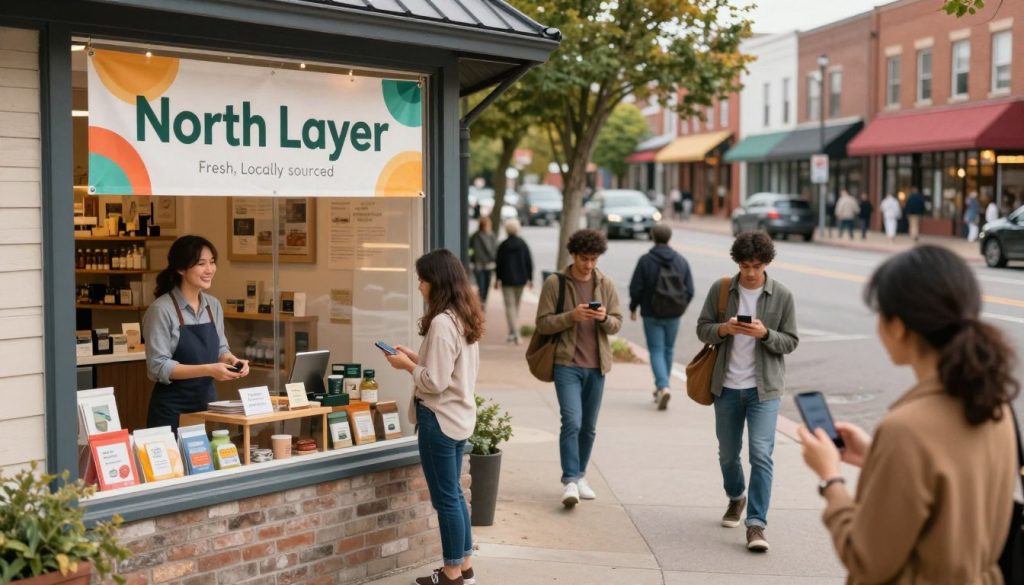
Geofencing sets a virtual boundary around a place, like a block or a competitor’s lot. When someone with a mobile device enters this area, your social media advertising can show a special ad or offer.
This tech is super accurate. It lets you reach people nearby, making your ads feel right on time. By focusing on nearby people, your message hits those who can act on it now.
Benefits of Location-Based Ads
Location-based ads are great for businesses that need foot traffic or serve a local area. You can promote events, remind locals about seasonal services, or boost your brand in your community.
Before spending more on ads, track your results well. Clear offers and precise targeting help you see which areas bring the most value. Here’s a table showing the main differences between wide campaigns and local ones.
| Feature | Broad Advertising | Geotargeted Advertising |
|---|---|---|
| Audience Reach | National or Regional | Specific Neighborhoods |
| Budget Efficiency | Lower per impression | Higher conversion |
| Relevance | General appeal | High local context |
| Primary Goal | Brand awareness | Store visits and leads |
By focusing on specific areas, you cut waste and boost your ROI. Social media advertising is more effective when it matches your customers’ real lives. Start small, test, and refine based on real results.
Leveraging Local Influencers
Working with local voices can change how your business connects with the community. By teaming up with people who already trust your audience, you can spread your message better than ads alone. This method is key in local digital marketing, focusing on real connections over cold outreach.
Finding the Right Influencers
Success isn’t about having the most followers. It’s about finding creators who really know your area. Look for people whose style fits your brand and whose followers are your ideal customers.
When picking influencers for your social media campaigns, think about these things:
- Audience Fit: Do they have followers in your city or town?
- Engagement Quality: Do they get real comments or just likes?
- Reputation: Are they seen as a positive force in the community?
- Content Style: Does their style match your brand?
Think about reaching out to local food bloggers, parenting experts, fitness gurus, or niche specialists. They often have active, local followings that trust their advice.
Building Authentic Relationships
The best partnerships are based on respect and clear talk. Treat your influencers as true partners, not just ad spaces. A clear vision leads to more creative and effective work together.
To make your social media campaigns work well, remember these tips:
- Set Clear Expectations: Agree on what you want, what they’ll do, and when.
- Prioritize Authenticity: Let them share in their own voice for real content.
- Ensure Disclosure: Make sure they clearly say they’re working with you.
- Track Results: Use special links or codes to see how their posts affect you.
By being respectful and professional, you build a strong base for growth. This approach boosts your local digital marketing by turning one-time efforts into ongoing community support.
Measuring Success in Local Campaigns
Measuring local marketing success takes more than vanity metrics. Likes and followers show popularity, but they rarely explain business growth. We track results that affect revenue and long-term stability.

Tracking Engagement Metrics
Engagement metrics show how well your community connects with your brand. Comments, shares, and saves signal real interest. These actions reveal which content formats appeal most to your local audience.
We recommend monitoring these specific signals to improve your strategy:
- Reach and Impressions: How many unique local users see your content.
- Shares and Saves: Indicators of high-value content that people want to revisit.
- Direct Messages: Opportunities for one-on-one customer service and relationship building.
Analyzing Conversion Rates
Real success comes when social media activity produces business results. Tracking website clicks, phone calls, and form submissions shows how social media supports your local SEO services and digital presence.
Connecting your social data to your website behavior shows which platforms bring the most qualified leads. When a campaign boosts bookings or purchases, give that channel more future budget. This approach keeps marketing money from funding tactics that do not work.
| Metric Category | Key Indicator | Business Outcome |
|---|---|---|
| Engagement | Saves & Shares | Brand Awareness |
| Conversion | Website Clicks | Lead Generation |
| Direct Action | Calls & Bookings | Revenue Growth |
| Reputation | Review Activity | Local Trust |
Review these metrics often to adjust your calls to action and content strategy. Combining these insights with your local SEO services keeps your business visible, trusted, and profitable in the community.
Real-Life Examples of Successful Campaigns
Real-world examples show how social media campaigns boost foot traffic. By learning from others, we grasp the power of online local marketing in a competitive world.
Case Study: Local Restaurant Using Instagram
A popular bistro used Instagram to boost mid-week reservations. They shared high-quality photos of daily specials. They also used “Link in Bio” to link to a reservation page on their website.
The restaurant offered a trackable offer. Customers showed an Instagram Story for a free appetizer. This helped the owners see how many diners came from social media.
Case Study: Community-Based Retail Store on Facebook
A local boutique built a loyal community on Facebook. They shared behind-the-scenes content and product news. They also held polls for new inventory, making customers feel like they own a part of the store.
By teaming up with a coffee shop for events, the store’s reach grew. Their social media campaigns included clear calls to action. These encouraged followers to visit for special discounts.
These stories show that focused online local marketing can grow a business. By tracking metrics like coupon redemptions, every effort pays off.
Future Trends in Local Social Media Marketing
The digital world is always changing, with new tools making it easier for people to find local businesses. To stay ahead, you need to keep up with how people search for services near them.
Voice Search Integration
Now, people use Siri, Alexa, and Google Assistant to find local services by talking to them. Your business info must be up-to-date everywhere to show up in these searches. Using clear, conversational language helps your brand answer the questions people ask their devices.
Short-Form Video Growth
Platforms like TikTok and Instagram Reels are great for showing off your business quickly. By using short videos, you can draw in local customers and show your unique personality. This approach grabs attention fast and helps you connect with your community.
Good local social media marketing is all about being practical. We aim to increase visibility, build trust, and drive real sales. By keeping your business info consistent and your social media efforts focused, you can avoid wasting money and grow your profits. Start improving your strategy today to stay the top choice in your area.



