


Is your online presence working effectively as a silent salesperson, or is it just a digital card gathering dust? Most owners now realize that a modern website has evolved far beyond a simple product catalog.
It is now a dynamic storefront that provides memorable customer experiences. We believe every small business deserves a website that works just as hard as the owner does.
Instead of relying on social media platforms you do not own, a professional site offers total control. You decide the journey your customers take and the specific message they see.
This ownership levels the playing field. It allows local businesses to compete effectively against much larger corporations without needing a massive budget.
Investing in proper digital tools pays off through automated lead generation and increased credibility. Your business can finally stop chasing leads manually and start capturing them effortlessly.
A well-crafted website ensures your business stays competitive in a crowded market. This central hub makes every marketing dollar you spend significantly more effective.
Key Takeaways
- Modern sites have evolved from simple catalogs into high-performing digital storefronts.
- Owning your platform provides more security and control than relying on social media.
- Professional web solutions level the playing field against much larger industry competitors.
- Automation reduces manual sales tasks by generating and qualifying leads around the clock.
- A central digital hub increases the overall ROI of every marketing dollar spent.
- Professional results are now accessible without requiring massive budgets or technical expertise.
Why Your Small Business Needs a Professional Website
In today’s digital market, a professional digital footprint is no longer optional for local growth. Every owner needs a reliable home base to anchor their online presence. This platform offers full accessibility and a level of professionalism that social media alone cannot match.
Potential customers often research a company before making any direct contact. A professional business website establishes immediate credibility and answers common questions. This functionality saves you valuable time while you focus on daily operations.
Unlike social media platforms, your own site remains under your complete control. You do not have to worry about changing algorithms or losing your audience overnight. It serves as a permanent asset that builds trust faster than traditional business cards.
Your site generates sales and leads around the clock, even while you sleep. It provides measurable data to show what interests your visitors. These insights help you understand exactly where people lose interest in your presence.
For many small businesses, a lack of a digital footprint raises red flags about legitimacy. Modern shoppers expect to find your services online before they commit to a purchase. An effective site makes the entire research process more efficient for the buyer.
| Feature | Professional Website | Social Media Page |
|---|---|---|
| Ownership | Full control of content and data | Subject to platform rules |
| Availability | 24/7 searchable home base | Hidden by feed algorithms |
| Credibility | High professional trust | Casual and informal |
| Analytics | Deep customer behavior data | Limited engagement metrics |
Planning Your Website Development for Small Business
The most effective websites are not built by chance but through a deliberate and strategic process. Starting with a clear roadmap prevents wasted resources and ensures your digital presence aligns with your long-term plans.
A solid foundation helps you avoid the trap of constant, expensive changes later in the build. By establishing your goals early, you ensure the business website serves a real purpose for your growing company.
“Strategy is about making choices, trade-offs; it’s about deliberately choosing to be different.”
Defining Your Business Goals and Target Audience
Before you look at colors or fonts, you must define what your business actually needs. Are you looking for direct sales, or is lead generation your main priority? Clear goals allow you to make better design decisions that drive real ROI.
You also need to understand who you are talking to. Identify your target customer’s age, location, and the specific problems they need solved. When you know their pain points, you can create messaging that truly resonates and builds trust. A professional website helps build this credibility from the very first click.
Mapping Out Essential Pages and Site Structure
Your site structure should reflect how customers think, not how you organize your internal tasks. We recommend focusing on a logical flow that moves a visitor from their first visit to a final conversion. Each website should be easy to navigate to prevent user frustration.
Every project typically requires core pages like a homepage, services, about, and contact. We suggest prioritizing navigation based on what drives revenue for your business. A simple, intuitive layout helps users find what they need without feeling overwhelmed.
A well-planned site serves as a 24/7 salesperson for your company. By organizing your content early, you save time and create a much better user experience. Every website we help build starts with this vital blueprint to ensure long-term success for your business.
| Planning Phase | Primary Focus | Key Outcome |
|---|---|---|
| Goal Setting | Sales vs. Leads | Clear Call-to-Action |
| Audience Research | Customer Pain Points | Relevant Messaging |
| Site Mapping | Page Hierarchy | Intuitive Navigation |
Choosing Between DIY and Professional Web Development
Deciding how to build your digital presence is a major step for any small business owner. You must weigh the trade-offs between saving money and saving your valuable energy. Finding the right path depends on your current resources and future goals.
Many entrepreneurs start with a simple tool and upgrade as their revenue grows. We often see that the best choice aligns with how quickly you need to launch. Both paths offer unique advantages for your online growth.
Benefits of Hiring a Web Development Agency
Working with experts ensures you receive a fully-functional and on-brand website. These professional services remove the technical burden from your shoulders entirely. Agencies handle complex issues like security and speed that you might struggle with alone.
A professional team delivers a finished product much faster than learning on your own. They provide high-quality web design that reflects your unique brand identity perfectly. Most agencies also offer ongoing maintenance to keep your site updated and secure. This allows you to focus on running your business instead of fixing code.
Advantages of Building Your Own Business Website
Building your own site is the most cost-effective way to get started today. Modern DIY platforms offer transparent pricing with manageable monthly fees. This route works best if you have the time to learn new tools and basic design principles.
You maintain complete control over every change and update without waiting for a third party. Managing your own website gives you hands-on experience with your digital storefront. It is a practical solution for a new venture with a limited budget. You can easily pivot your content as you learn more about your customers.
| Feature | DIY Approach | Professional Agency |
|---|---|---|
| Pricing Strategy | Low monthly fees ($29 – $159) | One-time investment ($100s – $1000s) |
| Web Design Quality | Template-based and basic | Custom, high-end, and unique |
| Technical Support | Self-service help docs | Direct expert maintenance |
| Launch Speed | Varies by learning curve | Fast and scheduled delivery |
Selecting the Right Website Platform for Your Business
Selecting a digital home for your company requires understanding the tools available today. The platform you choose serves as the foundation for your growth over the next five years. It is vital to match this technology to your technical comfort level and specific business needs.
Most options offer free trials to let you test the interface before spending any money. This step ensures you find a system that feels natural and supports your daily operations.
WordPress: The Most Popular Content Management System
WordPress is a powerhouse that currently runs 39% of all websites on the internet. This platform provides unmatched customization through thousands of themes and plugins designed for any industry.
Through these features, you can create anything from online stores to e-learning portals. While it requires a bit more learning time, the flexibility remains worth the effort. We believe this site foundation is best for owners who want total control over their digital assets. It balances power and usability better than most alternatives on the market.
Website Builders: Quick and User-Friendly Solutions
A modern website builder offers a faster setup for those who want to launch quickly. These tools use drag-and-drop interfaces that require absolutely zero coding knowledge. Many websites built this way include business features like payment processing and booking systems built directly into the platform.
This website builder approach is a great choice if you prefer a simplified, all-in-one solution. The right website builder grows with your business instead of requiring a complete rebuild later. Choose the best website builders for small business that match your specific goals and provide the easiest path to your first sale.
Step 1: Secure Your Domain Name and Web Hosting

Securing your identity online starts with the twin pillars of domain registration and web hosting services. These two assets represent your digital real estate and determine how easily customers find your brand.
Think of these as your business address and the physical building where your data lives. We recommend choosing a provider that simplifies this process so you can focus on building your brand.
Choosing a Memorable and Brandable Domain Name
Your domain name is the first impression visitors get before they even see your site. It serves as your unique address on the internet and should be easy for customers to remember.
We suggest securing the .com version of your business name whenever possible. People often default to typing .com from memory, making it the most reliable domain name extension available today.
Keep your domain brandable and avoid complicated spellings that might confuse your audience. A simple domain name looks more professional and helps build immediate trust with new visitors.
Check domain availability early in your business naming process. Ensuring your domain name matches your social media handles creates a consistent experience for your target audience.
Finding Reliable Shared Hosting Services
Shared hosting services provide space on a web server to store and deploy your business files. This hosting functions like rent for your digital storefront and keeps your files accessible 24/7.
Quality web server space impacts your page speed and overall security. A reliable provider ensures your site stays online during peak traffic periods or unexpected technical issues.
Many plans bundle a free domain registration to simplify your billing. Registering your business name for multiple years upfront prevents an accidental expiration of your name.
Choosing the right domain name protects your long-term marketing ROI. Secure a professional name today to build a strong foundation for your small business domain name.
Step 2: Design Your Small Business Website
Transforming your digital presence begins with choosing a design that balances aesthetics with functional user experience. Your business website serves as a 24/7 storefront for your company. Every pixel should serve a specific purpose to help your visitors.
We recommend focusing on clarity to ensure users find what they need quickly. A clean layout reduces confusion and helps people trust your professional services. This stage is where your vision starts to take a physical shape.
Selecting Templates and Themes That Match Your Brand
In WordPress, your design starts with a theme. A theme is a collection of files that create a unified graphical interface for your website. You can choose from thousands of fully customizable templates built for diverse industries.
These frameworks provide a professional starting point for your project. Choose themes based on functionality rather than just a “pretty” look. A complex layout can often confuse users and hurt your content engagement.
Always test your choices on actual mobile devices. Most traffic comes from phones, so your design must work perfectly on small screens. Avoid themes that look good on desktop but fail to load correctly on a smartphone.
Customizing Design Elements for Brand Consistency
True customization involves more than just changing a logo on a page. You must align your brand colors, typography, and image types to build instant recognition. Consistency across your digital content and physical marketing materials fosters deep trust with your audience.
Setting yourself apart is vital for long-term success. Create something unique instead of simply copying your local competitors. Use specific design elements to guide visitors toward your contact forms or purchase buttons.
“Design is not just what it looks like and feels like. Design is how it works.”
A clean, professional design ensures your brand remains modern without relying on fleeting trends. Trendy elements often look dated within a year. Focus on layouts that have staying power and prioritize the user’s path to conversion.
Good design simplifies the journey for your customers. Every button and image should serve a clear goal. When your website is easy to navigate, visitors are more likely to return. This approach strengthens your brand and supports your business website goals.
| Design Element | Business Purpose | Priority Level |
|---|---|---|
| Responsive Layout | Mobile Compatibility | Critical |
| Brand Colors | Visual Recognition | High |
| Clear CTA Buttons | Lead Generation | High |
| Clean Typography | Readability | Medium |
Step 3: Implement Essential Business Features
A static site is just a digital brochure, but the right features transform it into a powerful business engine. These additions automate your daily tasks and help you serve your customers better around the clock.
Adding Payment Solutions and Ecommerce Functionality
Building an ecommerce website allows you to showcase every product clearly to your visitors. You can manage shipping, track inventory, and offer multiple payment options to increase your overall sales. Getting secure payments directly on your site removes friction from the buying process and builds immediate trust.
Secure payment processing also protects your business from fraud and expensive chargebacks. You can track transactions in real-time and even generate automated invoices for your clients. This professional approach ensures your finances stay organized while you focus on growth.
Modern platforms make it easy to create detailed product pages that work as continuous revenue generators. Your storefront operates every hour of the day without the need for extra staffing costs. This functionality turns a simple website into a high-performing retail tool.
Integrating Booking Systems and Contact Forms
Integrating a system for appointments reduces phone tag and frees up your valuable time. You can manage your staff, clients, and payments all from one central appointment scheduler. This automation allows your team to focus on providing excellent customer service instead of managing calendars.
Modern tools allow you to capture lead information through contact forms even after your physical office closes. This prevents lost opportunities by gathering data while visitors browse at night. These forms ensure you have the right details to follow up effectively the next day.
Using live chats and email marketing forms helps convert random visitors into loyal customers. Connecting these features directly to your business prevents data entry errors and simplifies your daily workflow. The right features depend on your specific model, whether you sell services or physical goods.
Step 4: Optimize Your Site for Search Engines
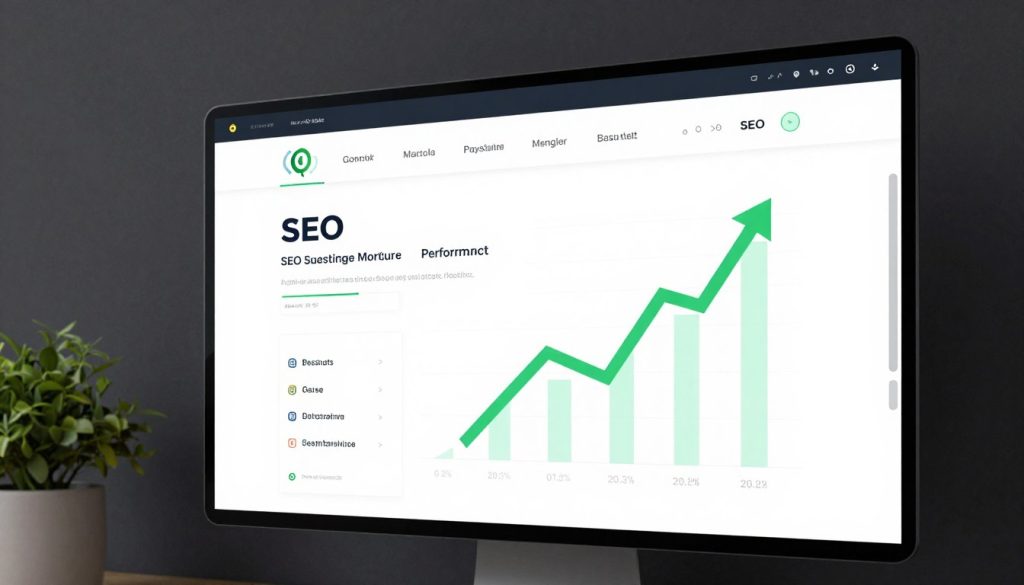
Search engine optimization determines whether potential customers find your site or your competitor’s when searching for solutions. It is the bridge between building a digital presence and actually welcoming new visitors through your virtual front door.
Built-in SEO Tools and Best Practices
Modern website platforms offer built-in SEO tools that guide you through technical tasks without requiring expensive consultants. These helpful features allow you to focus on search engine requirements like site speed and mobile performance. The engine rewards websites that load quickly and function perfectly on every handheld device.
Keyword research reveals the exact phrases your customers use during a search, rather than industry jargon. We believe SEO is no longer about tricking a system with keyword density; it is about providing clarity for your audience. Using these tools ensures you can optimize your site to increase organic traffic effectively and sustainably. Proper SEO management helps your brand stay visible as digital algorithms evolve over time.
Creating SEO-Optimized Content and Images
Quality content that answers customer questions ranks much better than thin pages stuffed with random phrases. We recommend creating content that addresses specific pain points to build long-term authority in your industry. This SEO strategy delivers compounding returns as your library of helpful content grows over time.
Always optimize your images with descriptive file names and helpful alt text. This simple step helps your images appear in image search results and boosts your overall page ranking. Regular content updates signal to the search engine that your business remains active and relevant. Practicing consistent seo habits and adding fresh images with proper seo data keeps your business visible to those who need you most.
Step 5: Ensure Mobile Responsiveness and Fast Performance
Your digital storefront must function flawlessly whether a customer visits from a smartphone or a computer. Technical health ensures that your hard work translates into actual revenue and consistent lead generation.
Testing Your Website Across All Devices
Mobile responsiveness is no longer optional since most traffic comes from phones rather than desktop computers. Testing your site on a standard desktop preview often misses critical touch interaction issues or load time variations.
We suggest testing on actual smartphones to see what your users truly see when they browse. Responsive websites adapt layouts instantly to fit any screen size perfectly, preventing visitor frustration with tiny text or broken buttons.
Testing across various hardware ensures a consistent experience that builds trust with your potential customers. Simple glitches on a mobile screen can lead to lost leads, so regular checks are essential for growth.

| Metric | Impact on Customers | Standard Goal |
|---|---|---|
| Mobile Load Time | Reduces bounce rates | Under 3 Seconds |
| Touch Target Size | Improves navigation | 44×44 Pixels |
| Visual Stability | Prevents layout shifts | High Consistency |
Improving Page Speed and Site Performance
Page speed serves as a vital factor for both search rankings and conversion rates in a competitive market. Search engines prioritize performance because they want to provide the best possible experience for their searchers.
If your websites load slowly, people will leave before seeing your offer or engaging with your content. Heavy themes and excessive plugins frequently drag down overall performance, making it harder for customers to reach you.
We recommend using image compression to keep your site lean and fast without losing visual quality. These small technical adjustments significantly improve how users perceive your brand and increase the likelihood of a sale.
“Speed is the most important feature. If your application is slow, people won’t use it.”
Faster speed translates directly into more completed forms and higher sales for your small business. Optimization reduces bounce rates by delivering content before impatient visitors give up and return to search results.
Step 6: Add Security and Data Protection Features
Your small business deserves a defense system that works quietly in the background 24/7. Safeguarding your online presence is vital for long-term growth and maintaining a professional reputation. We recommend a proactive approach to keep your data safe from external threats and technical failures.

SSL Certificates and Secure Hosting
Your site needs an SSL certificate to encrypt data moving between your server and your visitors. Without this protection, web browsers display a “Not Secure” warning to everyone who visits. This warning destroys trust instantly, often leading potential customers to leave before they see your products.
Reliable hosting provides a solid foundation with automatic backups and real-time threat detection. High-quality hosting services offer built-in coverage, from threat prevention to rapid response protocols. These features work invisibly to ensure sensitive information like passwords remains private and protected at all times.
Implementing Secure Payment Processing
When you sell products online, your business must handle financial data with extreme care. A reliable payment system uses enterprise-grade encryption to stop fraud in its tracks. These tools provide real-time detection and help you meet essential security compliance standards.
Regular security updates patch vulnerabilities before hackers can find them. This prevents costly breaches and protects your brand from reputation damage. Investing in these measures gives buyers the confidence they need to complete their transactions. Strong security reduces your liability while providing a smooth, safe experience for every visitor on your site.
| Security Feature | Main Function | Primary Benefit |
|---|---|---|
| SSL Certificate | Data Encryption | Builds Visitor Trust |
| Secure Hosting | Threat Detection | Prevents Data Loss |
| Payment Gateway | PCI Compliance | Safe Transactions |
| Auto Backups | Data Redundancy | Quick Site Recovery |
Marketing Your Business Website for Maximum Reach
Attracting visitors to your new platform requires a mix of social and direct engagement. Your site serves as a central hub, but you need active spokes to pull people in from across the web. We use built-in marketing strategies to ensure your business remains visible and attractive to your ideal customers.
Leveraging Social Media Integration
Integrating social media directly into your websites extends the reach of your brand content. Linking to platforms like Facebook and Instagram increases traffic by making sharing easy for every visitor.
Displaying social media feeds on your site provides fresh content and builds immediate trust. These social media connections turn passive visitors into active followers who engage with your brand daily.
This strategy helps your business grow by driving followers back to your site for specific conversions. Consistent social media activity ensures your brand stays relevant and reachable in a highly competitive digital space.
Email Marketing and Lead Generation Tools
Converting leads through forms and email marketing tools for small business is essential for long-term growth. Email marketing delivers a high return on investment because it keeps your audience updated with current promotions.
Lead generation tools capture visitor information so we can nurture those relationships over time. These marketing automation features send targeted messages based on behavior without increasing your daily workload.
Using intuitive marketing software simplifies your process and reduces overall costs. Recurring email marketing campaigns bring repeat traffic back to your professional websites.
This approach keeps your business top-of-mind for customers who are not ready to buy today. High-quality content in emails builds authority and makes future sales conversations much easier for your team.
Partner with North Layer for Expert Website Development
North Layer provides expert web services tailored specifically for small businesses seeking practical, revenue-focused solutions. We specialize in website development for small business owners who need results without the typical agency complexity and waste.
We build small business website solutions focused on lead generation, conversions, and measurable return on investment rather than just aesthetics. Our approach combines strategic planning with practical execution. This ensures your business website serves your revenue goals from day one.
Small businesses deserve the same quality web services that enterprise companies receive, scaled appropriately for realistic budgets and timelines. We eliminate the confusion and technical overwhelm that stops many businesses from getting the online presence they need.
Our team understands that small businesses need partners who explain things clearly and deliver on time. We focus on outcomes that matter for your business. Working with people who understand business constraints means no wasted spending on features that generate no revenue for your business.
Businesses that partner with us gain clarity on their digital strategy and better lead quality. We help businesses grow their business with a high-performing small business website. Our business approach reduces marketing waste through focused execution.
A professional business website is the foundation of digital success for any business. We help businesses build a strong small business website that converts visitors into customers. Your business website should be your hardest-working employee.
Businesses can contact North Layer to Book a Growth Call and get started today or reach them at hello@northlayer.co. Every business needs a partner that delivers results. Use our business website expertise to scale your company today.
Conclusion
A professional website serves as a controlled platform for a small business to compete effectively online. It helps you automate sales and build lasting relationships with people looking for your product. Your online presence starts with a strategic site that connects your brand with users at the right time.
Success for small businesses requires more than just a basic layout. It demands marketing focus and a positive experience for every visitor. Make sure your website decisions align with business goals rather than following trends that deliver no results. Time invested in the process from domain name selection to launch prevents expensive rebuilds later.
Effective management becomes simpler when you integrate business tools for payments and service plans. Performance factors like speed and technical seo help your business appear in a search. High-quality images and professional web design ensure your presence remains credible. Proper hosting and a clear name build the trust that websites need to thrive over time.
We help businesses navigate pricing and technical design to create a powerful website that drives revenue. Better management of your digital tools will lead to more consistent performance. Make sure your site reflects the quality of your business.
Contact North Layer to book a Growth Call and get started today. You can reach us at hello@northlayer.co for guidance on your small business project. Let us help small businesses grow with a better website and seo strategy.



