


Did you know most digital stores only convert 2–3% of visitors? This means almost all visitors leave without buying. Your website is often the first thing people see of your brand.
If your site feels old or hard to use, you’re missing out every day. A website redesign for small business owners is more than looks. It’s a smart way to increase your profits. We see your website as a key tool for growth and success.
Recognizing the signs of an underperforming site is the first step to getting back lost revenue. If your site doesn’t convert, your marketing won’t work as well. We’re here to help you know when to update your strategy and boost your profits.
Key Takeaways
- Most sites struggle with low conversion rates, often hovering around 2–3%.
- Your digital presence serves as the primary touchpoint for new customers.
- Outdated layouts directly contribute to lost revenue and missed sales.
- A strategic update focuses on improving user experience and conversion metrics.
- Identifying performance gaps is essential for maximizing your marketing ROI.
Understanding the Importance of Website Design for Small Businesses
Many small business owners don’t realize their website is a silent salesperson working all the time. It’s often the first thing people see when they visit your site. If it doesn’t work well, you’re missing out on sales.
Good design is more than just looks or colors. It’s a strategic tool that helps people find what they need. A well-designed site leads visitors to what you want them to do, like buying something or getting in touch.
The Impact of First Impressions
Studies show people make up their minds about your business in seconds. A messy or old site can look unprofessional and lose visitors fast. Trust is built quickly with a clean, modern look.
A design that shows your brand values can make people trust you right away. They’re more likely to stick around if your site looks clear and has a purpose. A good first impression is key to building strong customer relationships.
User Experience and Retention
A good website puts the user first. If visitors can’t find what they need quickly, they’ll leave. Easy navigation keeps people interested and moving through your sales process.
We think a well-organized site makes things easier for users. By arranging content well, you help people solve their problems fast. This makes them happy and more likely to come back.
Mobile Compatibility and Accessibility
Many people will visit your site on a phone or tablet. If it’s not mobile-friendly, you’re missing out on a lot of visitors. Mobile compatibility is now a must for success.
Accessibility is also key. It means everyone can use your site, no matter their abilities. A site that’s functional and accessible for all shows you care about all your customers.
Common Signs Your Website Needs a Redesign
A website that doesn’t change can block your brand from reaching new customers. If your online space doesn’t grow, it might seem like your business is stuck. Making sure your small business website optimization is up-to-date keeps it useful, not a hindrance.

Declining Traffic and Engagement Rates
Seeing fewer visitors means your site might not meet today’s search engine needs. Search engines favor sites with new, relevant, and quick content. A drop in traffic often means your site is harder to find online.
Looking at how long people stay on your site or share your content can tell you a lot. If these numbers are going down, it’s hard for your audience to connect with you. Refreshing your approach can help grab your audience’s attention again and boost your reach.
High Bounce Rates and Short Visit Durations
High bounce rates mean people leave your site right away. This usually happens because of slow loading, bad navigation, or not being mobile-friendly. Since 67% of users prefer mobile-friendly sites, making your site work well on phones is crucial.
When users hit a roadblock, they usually don’t stick around to solve it. By improving your small business website optimization, you can make it easier for visitors to find what they need. Lowering bounce rates is key to turning casual visitors into loyal customers.
Outdated Design and Content
How your site looks greatly affects how people see your brand. An old design can make your business seem unprofessional or unreliable, even if your services are excellent. If your site looks like it’s from the early 2010s, it’s time for a makeover.
Content that’s outdated or not helpful also hurts your reputation. Regularly checking your site makes sure your message matches your goals and the market’s needs. Investing in small business website optimization is about building a strong base for your business’s future.
How an Outdated Website Affects Your Revenue
Having a website that’s not up to date means you’re missing out on money every day. A modern site refresh is more than just a new look. It’s a smart move to keep your business profitable. Slow performance can lead to lower sales.
Lost Sales Opportunities
Technical issues can stop customers from buying. A one-second delay in loading can cut your sales by 20%. Slow sites or broken checkout pages often lose customers. They leave, taking their money with them.
Negative Brand Perception
Your website is often the first thing new customers see. If it looks old or is hard to use, they might doubt your professionalism and reliability. A neglected site can make people think your business is disorganized. This makes it harder to turn visitors into paying customers.
Competitor Advantage
Your competitors are probably making their sites faster and easier to use. When someone compares your site to theirs, they’ll choose the better one. A modern site refresh helps you stay ahead by offering a better experience. If you don’t focus on speed and design, you’ll lose out to your competitors.
| Performance Metric | Outdated Website | Optimized Website |
|---|---|---|
| Load Time | Over 3 Seconds | Under 1 Second |
| Conversion Rate | Low (Below 1%) | High (Industry Average) |
| User Trust | Questionable | High/Professional |
| Revenue Impact | Significant Loss | Growth Potential |
Key Factors to Consider Before Redesigning
Starting a website redesign for small business owners needs careful planning. It’s not just about making changes. It’s a smart investment in your company’s future. By setting clear goals, you make sure every dollar counts.
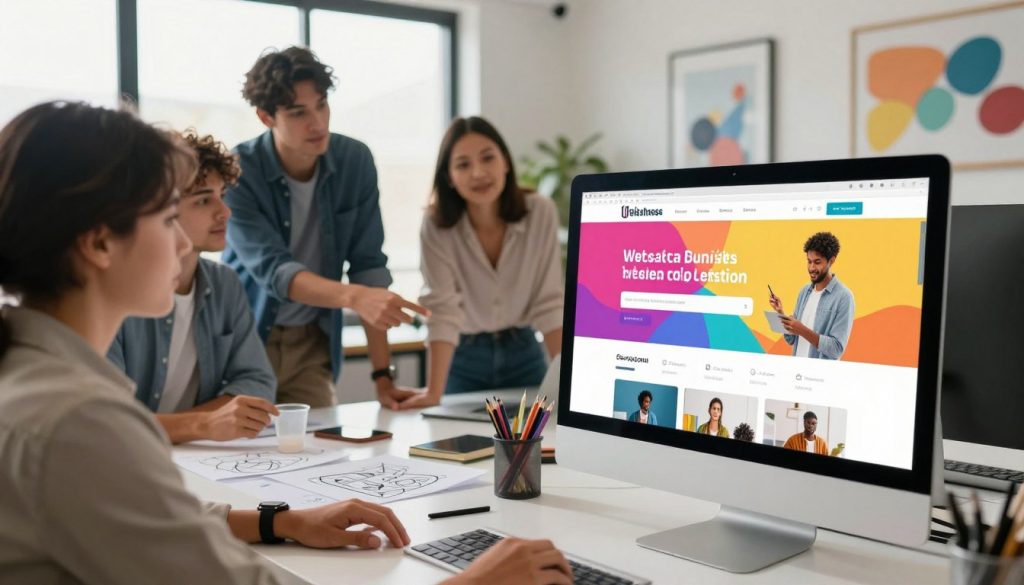
Budget and Resource Allocation
First, manage your money well for a successful project. You don’t need a huge budget for a great website. Focus on key areas like easy navigation and fast page loading.
“An investment in knowledge pays the best interest.”
Make a list of must-haves and nice-to-haves. This helps avoid adding too much and keeps your project focused. It ensures a good return on your investment.
Target Audience Needs
Your website should help your customers, not just look good. Before redesigning, figure out what your visitors need. Do they want to find contact info, product details, or book a service?
Designing with your visitors’ needs in mind makes your site useful. This increases the chance of turning visitors into loyal customers.
Current Website Performance Metrics
Use data to guide your design choices. Before starting an affordable website makeover, check your analytics. Look at what’s working and what’s not. Focus on:
- Pages with the highest exit rates.
- Average time spent on key landing pages.
- Conversion paths that currently underperform.
By analyzing these metrics, you can decide what to keep and what to change. This data-driven strategy reduces risk. It ensures your website redesign for small business meets your goals with confidence.
The Role of Branding in Website Redesign
Your website is the digital face of your brand. It’s often the first thing people see when they interact with your business. This makes it key for your modern site refresh. A well-designed site sends a clear, professional message to every visitor.
Consistency Across Platforms
A brand that looks different everywhere can confuse people. It can hurt your business. Whether someone finds you online or through an email, your brand should look the same. Consistency builds trust, which is vital for growth.
- Use the same colors everywhere.
- Keep your writing style consistent.
- Make sure your logo and images look good on all devices.
Aligning Design with Brand Values
Your website should show what your company is all about. If you’re known for being reliable and quick, your site should be easy to navigate and fast. This makes your enhanced web presence connect with your audience.
When your site looks like your brand, it tells people what you’re about. This helps build trust before they even read your services. It turns your website into a powerful tool for building authentic relationships.
Utilizing Visual Identity
Visual identity is more than a logo. It’s about the look and feel of your brand. When you redesign, check if your visuals still match your brand. A modern site refresh lets you update old graphics while keeping what your customers know and love.
Choosing your visual elements carefully keeps your brand looking professional. This helps you stand out from others. A well-branded site is like having the best salesperson working for you.
The Benefits of a Professional Website Redesign
A professional website revamp is key to lasting online success. It goes beyond looks, building a site that helps your business grow. This effort is a smart investment that saves time and clearly shares your brand with customers.
Enhanced User Experience
Today’s users want a smooth experience on your site. An enhanced web presence means easy navigation, quick loading, and clear actions. When visitors find what they need easily, they trust your brand more and come back.
Improved SEO and Visibility
Search engines like sites that are well-organized, mobile-friendly, and full of quality content. A professional redesign makes your site meet these standards. This boosts your search rankings, bringing more relevant visitors to your site.
Increased Conversion Rates
The main aim of updating your site is to turn visitors into loyal customers. By making your site easier to use, you guide users to buy or contact you. A professional website revamp boosts your sales by making it simpler for users to act, leading to more revenue.
Steps to Take Before Starting a Redesign Project
A successful website makeover starts long before you change any pixels. Preparing well ensures your affordable website makeover meets your business’s needs. A careful plan helps you avoid mistakes and keeps your focus sharp.
Evaluating Current Website Analytics
Analytics are your guide for redesigning. Start by checking your current analytics to find where visitors lose interest. Look for pages with high exit rates or low engagement.
Knowing your current performance helps you make informed decisions. This step ensures your new design solves real problems, not just looks different.
Gathering User Feedback
Numbers are just part of the story. You also need to listen to your site’s users. Their feedback reveals their frustrations and needs that analytics might overlook.
“The best way to improve a product is to listen to the people who actually use it.”
Use surveys or interviews to ask users about your site’s problems. This approach makes sure your affordable website makeover focuses on the user’s experience.
Setting Clear Objectives
Before starting, define what success means for your business. Clear, measurable goals make the project easier to manage. Whether it’s more leads or better mobile access, having a goal keeps everyone on track.
Focus on these key areas for your goals:
- Conversion rates: Aim for a certain increase in sales or inquiries.
- User engagement: Target time spent on site or pages visited.
- Brand alignment: Make sure the new design matches your business values.
Setting these benchmarks early helps you plan for success. This preparation is key to getting a good return on your affordable website makeover investment.
Finding the Right Web Design Partner
Finding the right agency is more than just about looks. It’s about finding a team that sees your goals as their own. You need someone who listens well and turns your ideas into a real digital space.

What to Look for in a Web Design Agency
Look for agencies that talk clearly, not in tech jargon. The best teams create tailored web design solutions for your specific needs. They should explain their plans in simple terms and understand your industry well.
A good agency feels like part of your team. They should be open about how they work and promise results you can see. If they focus more on showing off their work than solving your problems, they might not be right for you.
Questions to Ask Potential Partners
Make sure you and the agency share the same goals before you sign anything. Asking the right questions helps you see if they can offer the tailored web design solutions you need. Here are some questions to ask during your first calls:
- How do you measure the success of a professional website revamp beyond just looks?
- Can you tell me about a time you helped a small business with a revenue problem?
- How do you make sure the final site is easy for my team to handle?
- How will you keep me updated during the project?
- What kind of support do you offer after the site is live?
These questions help you understand their work ethic and commitment to your success. A good partner will be open and honest with their answers. This openness is key to a successful, long-term partnership.
Post-Redesign: Maintaining Your Website’s Success
A website launch is just the start, not the end. Keeping your site up-to-date is key to success. This means always working on small business website optimization to stay ahead.
Experts say check your site every two to three years. This keeps it current with new tech and what customers want. We offer the web design solutions to keep your brand ahead.
Regular Updates and Content Management
New content tells search engines you’re still around. Regular updates also keep your site safe from threats.
Analyzing Performance After Launch
Looking at data helps us make your site better. We track important numbers to see what works and what doesn’t.
Gathering Ongoing User Feedback
Customer feedback is priceless. It helps us make small changes that make a big difference. We work with you to make these changes, keeping your site effective for your business.



