


Are you tired of chasing likes and shares that never seem to turn into actual sales? Many owners find themselves stuck in a cycle of posting content that looks good but fails to impact the bottom line.
It is time to stop viewing your online presence as a popularity contest. We believe that every dollar spent should serve a clear purpose in your growth plan. Moving beyond vanity metrics is the first step toward building a sustainable model that generates real profit.
Transitioning to a revenue-focused strategy requires a shift in mindset. By aligning your social media advertising for small business efforts with specific financial goals, you can eliminate wasted effort. We help you focus on tactics that drive measurable outcomes rather than just digital noise.
Key Takeaways
- Shift focus from vanity metrics like likes to measurable revenue outcomes.
- Align every paid campaign with a specific, trackable financial goal.
- Eliminate wasted spend by auditing underperforming digital tactics.
- Adopt a professional strategy that prioritizes long-term growth over quick trends.
- Partner with data to ensure your marketing budget supports your bottom line.
Understanding the Importance of Social Media Advertising
Small business social media marketing has grown from a simple trend to a key growth pillar. Today, your online presence is like a digital storefront for potential customers. It’s not just nice to have; it’s essential for credibility.
Why Small Businesses Need Social Media
Customers look for your business on their favorite platforms. An active profile shows you’re reliable, accessible, and ready to serve. This builds trust, which is priceless for any brand.
These platforms also let you talk directly to your audience. You can answer questions, address concerns, and share your company culture in real-time. This engagement turns followers into loyal brand advocates who support your success.
The Role of Paid Advertising in Growth
While organic content is important, it only reaches a small part of your audience. Paid campaigns boost your reach, ensuring your message gets to the right people at the right time. This is where social media advertising for small businesses can really change the game.
Paid tools help you compete with big brands by targeting specific groups. You don’t need a huge budget to see results. What you need is a strategy focused on measurable outcomes. By investing in targeted ads, you get the most out of your marketing budget and drive business growth.
Choosing the Right Social Media Platforms
Your journey to growth starts with focusing on where your customers spend their time. Many owners try to be on every network, but this wastes resources. Strategic focus is key to successful small business social media marketing.
Popular Platforms for Small Businesses
Not all networks are equal for every industry. Facebook is great for local businesses with its community features and ad targeting. Instagram is perfect for brands that need to show off their products with great images.
LinkedIn is the best for B2B services because it’s professional. Choosing the right platforms means your affordable social media advertising for small business will reach the right people.
Understanding Your Target Audience
Before spending money, know who your ideal customer is. Look at their age, location, and online habits. This helps you choose the right apps for them.
“Strategy is about making choices, trade-offs; it’s about deliberately choosing to be different.”
Review your customer data to find trends. When you match your platforms with your audience’s habits, you build meaningful connections.
Matching Platforms with Business Goals
Your goals guide where to spend your time and budget. For brand awareness, visual platforms are best. For lead generation, use platforms with contact forms or messaging tools.
| Platform | Primary Strength | Best For |
|---|---|---|
| Community Building | Local Retail & Services | |
| Visual Storytelling | Lifestyle & E-commerce | |
| Professional Networking | B2B & Consulting | |
| TikTok | Viral Reach | Brand Awareness |
By matching your goals with the right channel, you set a path for growth. This focused approach keeps costs low and boosts campaign impact.
Creating Your Social Media Advertising Strategy
Turning your social media into a money maker starts with a good plan. A solid small business social media marketing strategy makes sure every dollar counts. By not posting randomly, you control how you grow and get new customers.
Defining Clear Objectives
Before you start any ads, know what success means for your brand. Use SMART goals—Specific, Measurable, Achievable, Relevant, and Time-bound—to stay focused. Your goals, like boosting website visits or sales, shape your campaign.
Having clear goals helps you avoid focusing on likes and shares. Instead, aim for results that boost your income. This way, you can track your success and tweak your plans as needed.
Budgeting for Paid Advertising
Many worry about the cost of online marketing, but affordable social media advertising for small business is doable. You don’t need a big budget to see success. Start with a small amount to see which platforms work best.
Watch your spending every day to avoid overspending. By testing small, you can grow successful campaigns and cut losing ones. This method keeps your money safe while you build your marketing.
Crafting Compelling Ad Copy
Your ad copy connects your brand with potential customers. A great social media advertising campaign for small business offers value and clear calls to action. Talk to your customers’ problems and offer simple solutions.
Keep your message short and professional to build trust. Use the table below to match your campaign goals with the right metrics:
| Campaign Goal | Primary Metric | Focus Area |
|---|---|---|
| Brand Awareness | Impressions | Reach and Frequency |
| Lead Generation | Click-Through Rate | Conversion Value |
| Direct Sales | Return on Ad Spend | Customer Acquisition Cost |
Designing Eye-Catching Ad Creatives
Good social media marketing for small businesses is all about how you show your brand. In a world full of noise, your visuals are what grab someone’s attention. They’re the reason people don’t just scroll past your ads.
Importance of Visuals in Advertising
Many think high-quality visuals are essential. But, authenticity often connects better with people today. They prefer content that feels genuine and relatable.
When your ads look like they’re from a personal feed, not a magazine, you get more engagement. Authentic video content is great for this. It shows your business is run by real people who are passionate about what they do.

Types of Ad Formats to Consider
Picking the right ad format is key for small businesses. Choose one that fits your goals, like boosting website traffic or brand awareness.
| Ad Format | Best Use Case | Primary Benefit |
|---|---|---|
| Single Image | Brand awareness | Quick to produce |
| Short Video | Product demos | High engagement |
| Carousel Ads | Multiple products | Increased interaction |
| Stories/Reels | Behind-the-scenes | Builds authenticity |
Try out different formats to see what works best. Start with simple, clear visuals that show off your products’ unique value. Keep testing to find what brings in the most results for your business.
Targeting Your Audience Effectively
Small business owners can make the most of their ad budget by being precise. Instead of throwing a wide net, they can target specific people who might buy their products or services. This is key for social media marketing for small businesses, as it saves money by avoiding ads for people who aren’t interested.
“The goal of marketing is to know and understand the customer so well the product or service fits him and sells itself.”
Demographic Targeting Options
Most platforms let you filter your audience by basic details. You can choose by age, gender, location, and language. This makes sure your effective social media advertising for small business reaches the right places.
Platforms also offer deeper insights, like job titles and education levels. By combining these, you can create a detailed picture of your ideal customer. This data-driven approach helps you avoid showing ads to the wrong people.
Utilizing Behavioral Targeting
Behavioral targeting goes further by looking at what users do online. Instead of guessing who your customers are, you can target based on their past actions. This catches high-intent users who are already looking for what you offer.
You can also target users who have interacted with your brand before. This social media marketing for small businesses is very effective because it focuses on people who are already interested. By using these insights, your ads will reach the right people at the right time.
Setting Up Your Social Media Ads
We make setting up your social media ads easy so your budget works better. The right setup stops common mistakes that waste money. With a solid plan for social media marketing for small businesses, you control your results better.

Step-by-Step Guide for Facebook Ads
Start by going to the Meta Ads Manager to start your campaign. First, pick a clear goal, like getting more website visitors or leads. Make sure your Meta Pixel is on your website to track user actions and improve your ads.
Then, set up your audience based on your data. Start with a wide audience to let the system learn, then narrow it down as you get data. Setting a daily budget helps you control your spending while trying different ads.
Best Practices for Instagram Ads
Instagram loves visuals, so your ads need to be eye-catching and high-quality. Use vertical formats to grab attention as people scroll. Social media advertising tips for small businesses say to have a clear call-to-action button that stands out.
Be consistent with your brand’s voice and look to build trust. Try different formats like Stories or Reels to see what works best. Mobile users like content that feels natural, not too polished.
Tips for Running Effective Twitter Campaigns
Twitter, now X, is all about quick conversations and trending topics. Make sure your messages fit current discussions in your field. Use interest-based targeting to find users interested in what you offer.
Keep your tweets short and to the point. A small business social media advertising agency can handle complex accounts, but you can succeed with engaging tweets. Always check your replies to connect with potential customers.
| Platform | Primary Strength | Best For |
|---|---|---|
| Advanced Targeting | Lead Generation | |
| Visual Engagement | Brand Awareness | |
| Real-time Trends | Community Building |
Measuring Success with Analytics
Turning clicks into cash needs clear performance metrics. Without tracking, you’re just guessing where your money goes. We think data-backed decisions are key for lasting growth.
With good tracking, you know which ads sell. This helps you improve your small business advertising strategies and cut waste. Regular checks make sure every dollar counts.
Key Performance Indicators to Track
To see if your ads work, focus on important numbers. “Likes” might feel good, but they don’t pay the bills. Look at metrics that show real intent and financial gain.
- Click-Through Rate (CTR): Shows how many find your ad worth clicking.
- Conversion Rate: Tracks visitors who take a desired action, like buying.
- Cost Per Acquisition (CPA): Tells you how much to get one new customer.
- Return on Ad Spend (ROAS): Shows revenue for every dollar spent on ads.
Tools for Analyzing Ad Performance
You don’t need a big budget for top analytics. Most platforms have dashboards for deep insights. But, use UTM parameters to tag your links for a full view.
These tags help you see which ad or platform led to a sale. Combining this with tools like Google Analytics gives a complete picture of your effective social media advertising for small business. This is crucial for linking social clicks to sales.
| Metric | What It Tells You | Business Impact |
|---|---|---|
| CTR | Ad relevance | Improves reach |
| CPA | Acquisition cost | Protects margins |
| ROAS | Profitability | Guides budget |
Adjusting Strategies Based on Data
With data, it’s time to act. If an ad set has a high CPA, stop it and use that money elsewhere. This cycle sharpens your small business advertising strategies over time.
Don’t hesitate to change when the numbers say so. Successful marketing often needs tweaks. By testing, measuring, and adjusting, you make your ads reliable for long-term growth.
Enhancing Your Ads with Retargeting
Many small business owners struggle to turn casual browsers into loyal buyers. Visitors often leave without taking action, even if they’re interested. Using small business advertising strategies like retargeting can help. It keeps potential customers thinking about your products and guides them back to your site.
What is Retargeting?
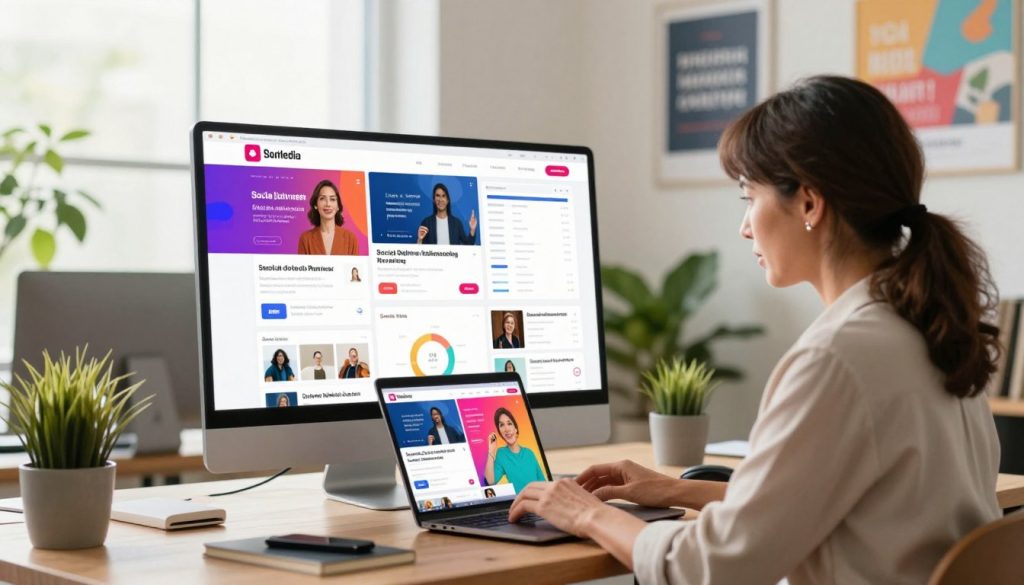
Retargeting shows ads to people who’ve visited your site or seen your content. A small code, called a pixel, tracks these visitors. This way, your brand stays in their minds.
Retargeting focuses on a warm audience, not new leads. It’s a gentle reminder, not a pushy sales pitch. This helps nudge them toward a decision.
Best Practices for Retargeting Campaigns
To succeed with a social media advertising campaign for small business, be helpful, not overwhelming. Segment your audience based on their actions, like viewing a product page. This makes your ads feel personal and relevant.
Managing ad frequency is key. Don’t show the same ad too often to avoid annoying users. A well-timed, thoughtful ad works better than constant, repetitive content.
Always include a clear call to action in your ads. Offer a discount or highlight a benefit. Make it easy for users to take action. This builds trust and boosts your return on investment.
Engaging with Your Audience Post-Advertisement
Your relationship with a potential customer starts after they see your paid social media content. Many owners focus on the first click. But, the real value is in how you talk to them after that. Using social media advertising tips for small businesses means seeing every comment or message as a chance to connect.
Importance of Follow-Up Engagement
When someone interacts with your ad, they show interest in your brand. If you ignore their questions or feedback, you might lose that lead. Being responsive is key to building trust online.
“The goal of social media is not just to reach people, but to create a community where your customers feel heard and valued.”
To keep the conversation going, consider these key practices:
- Reply quickly to comments and messages to show you’re active.
- Make your responses personal instead of using generic templates.
- Ask open-ended questions to encourage more feedback.
Turning Leads into Loyal Customers
To turn a lead into a repeat buyer, you need to manage your community well. You must care for these interactions to build real loyalty. By being present and helpful, you show your business values the customer beyond the first sale.
If managing these conversations feels too much, consider a small business social media advertising agency. They can help you improve your communication and make sure no lead is lost. This focus on interaction leads to a cycle of growth that keeps your audience engaged for a long time.
Exploring Emerging Trends in Social Media Ads
Keeping up with paid social media trends is key. Marketing basics stay the same, but tools and platforms change daily. Using social media advertising tips for small businesses keeps you competitive without following every trend.
Keeping Up with Algorithm Changes
Algorithms change often to improve user experience. Instead of worrying, see these updates as chances to improve your strategy. Focus on adding value, not just trying to beat the system.
Here are some practical tips to handle these changes:
- Diversify your content formats to find what works best with your audience.
- Keep an eye on engagement metrics to see which posts get the most interest.
- Use high-quality visuals and clear messages that meet your customers’ needs.
The Rise of Influencer Collaborations
Today, people trust authenticity more than ever. Working with influencers lets your brand connect with communities where trust is already there. This method offers social proof that ads alone can’t always provide.
When starting a social media advertising campaign for small business, remember these influencer collaboration benefits:
- Influencers know their audience well.
- Collaborations make your brand seem more relatable and human.
- You get access to high-quality content for your ads.
You don’t need a big budget to work with influencers. Micro-influencers often have high engagement and are open to creative projects. Aim for genuine relationships over quick deals.
Budget-Friendly Tips for Small Business Advertising
Marketing doesn’t need a big bank. Start small with tests on Meta or LinkedIn. This way, you can grow without spending a lot.
Target high-intent audiences to make every dollar count. This strategy turns social media ads into a profitable tool, not a cost.
Maximizing ROI on a Limited Budget
Start with a small daily budget to learn what works. Move money to ads that actually sell. This way, you only spend more when it’s worth it.
Success in social media ads comes from constant improvement. Check your numbers weekly to cut ads that don’t work. This keeps costs down and leads keep coming.
Managing ads can be tough. A small business social media agency can help. They know how to get the most from your budget. This lets you focus on your business while your ads work for you.



