


Did you know almost 97% of people search online for a local business before visiting? This shows how important it is to grab your community’s attention for lasting success.
Small shops aim to draw in people who can easily visit. By focusing on community-rooted engagement, you can stand out against big national companies. These giants can’t match your personal touch.
Using good local marketing lets you use your unique spot in the neighborhood. These strategies help you gain trust, boost foot traffic, and build strong loyalty. By focusing on your area, you turn casual visitors into dedicated brand advocates who support you for years.
Key Takeaways
- Proximity is the most critical factor for driving physical store visits.
- Small businesses can outperform national chains by building authentic community relationships.
- Digital visibility is the primary bridge between online searches and in-person sales.
- Focusing on your immediate geographic area maximizes your return on investment.
- Trust serves as the foundation for sustainable growth in any neighborhood.
Understanding the Importance of Localized Growth
Success in business often starts with looking at what’s right next door. Companies that do well today see themselves as key parts of their neighborhoods. They don’t just think of themselves as separate from the community.
Defining the local market landscape
The local market landscape is more than just where people live. It’s about the culture, spending habits, and social ties in a certain area.
Businesses that succeed here know their identity comes from their customers. By studying the local market landscape, owners can find what neighbors really need.
Why proximity matters for modern consumers
Today’s shoppers value convenience and personal touch over big, distant companies. Being close makes a business a go-to for everyday needs.
Being nearby builds immediate trust that’s hard to get online. People like to support brands they can see and visit in their own area.
- Faster access to products and services.
- Less environmental harm from shorter trips.
- Deeper connections with staff.
Aligning business goals with community needs
Real growth happens when a company’s goals match the community’s values. Businesses that get involved in local life often keep customers for a long time.
This can mean different things, like:
- Sponsoring local sports or school events.
- Helping out at food banks.
- Hosting workshops that interest the neighborhood.
By being seen as trusted community pillars, businesses build a strong base against competition. When a brand invests in the neighborhood, the neighborhood supports it back.
Optimizing Your Google Business Profile for Maximum Visibility
A well-optimized Google Business Profile is like your digital storefront. It connects a customer’s search to your physical location. By managing this, your brand shows up when locals search for what you offer.
Claiming and verifying your business listing
First, claim your listing on big platforms. Verification proves you own the business, keeping your brand safe. After verifying, you can update your hours, contact info, and more.
“Your business listing is often the first interaction a customer has with your brand; make sure it reflects the quality of your service.”
Ensuring NAP consistency across the web
Search algorithms value accuracy in local results. Keeping your Name, Address, and Phone number consistent is key. If your info varies, search engines might doubt your location, affecting your visibility.
To stay strong locally, remember these:
- Use the same business name everywhere.
- Match your address to postal standards.
- Regularly check your citations for outdated phone numbers.
Adding high-quality photos and service details
Visuals play a big role in attracting customers. Profiles with high-quality imagery of your place and team get more attention. These photos make your business seem welcoming and trustworthy.
Also, describe your services clearly. This helps your Google Business Profile rank for the right keywords. With great photos and detailed service info, you show why locals should choose you.
Leveraging Local SEO to Dominate Search Results
When people search for solutions near them, your business should be the first they see. This requires a strong focus on local SEO. By matching your online presence with your community’s needs, you can attract people ready to buy.
Targeting location-based keywords
Good keyword research finds the exact terms people use for services nearby. Instead of broad terms, focus on geo-modified keywords. These include your service plus a city, neighborhood, or landmark.
For instance, a plumbing company might aim for “emergency plumber in Austin” over just “plumber.” This helps search engines link your site to users’ specific locations. Using these terms consistently shows Google your business is a local expert.
Creating location-specific landing pages
Building dedicated landing pages for each area you serve can boost your reach. These pages should have content tailored to that area. Adding local testimonials, project photos, and contact details for that region builds immediate trust with visitors.
Technical optimization is key for these pages to rank well. Make sure each page has a unique title tag and meta description with the target location. This helps search engines index your site for different areas without hurting your main domain authority.
Improving website mobile responsiveness
Many local searches happen on smartphones while users are out and about. If your site is hard to use on mobile, you might lose customers to rivals. A mobile-first design makes sure your contact info, maps, and service lists are easy to find.
Fast loading speeds and easy navigation are essential for a good mobile experience. When users can quickly find what they need, they’re more likely to visit or call you. The table below shows how these strategies help your growth.
| SEO Tactic | Primary Benefit | Impact Level |
|---|---|---|
| Location Keywords | Higher search relevance | High |
| Landing Pages | Targeted traffic capture | Very High |
| Mobile Design | Improved user retention | Critical |
The Best Local Marketing Strategies for Small Businesses
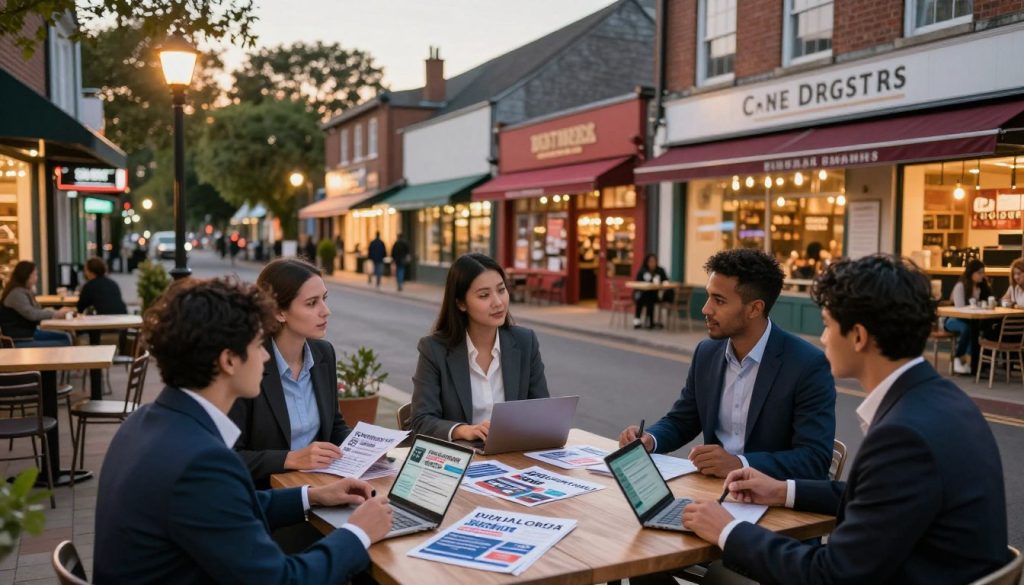
The best local marketing strategies focus on building real connections in the community. Small businesses have a big advantage because they are close to their customers. They can meet the needs of their neighbors in a way big companies can’t.
Focusing on hyper-local content creation
Creating content that speaks to local traditions and holidays is key. A business might share local sports wins or join town charity events. This shows the brand is part of the community, not just a store.
“The most successful local brands are those that stop acting like businesses and start acting like neighbors.”
— Local Marketing Expert
Utilizing local directories and citations
Being seen online is important for trust. A business should make sure its info is right on the Better Business Bureau and other sites. These online mentions prove the business is real and active.
| Strategy | Primary Benefit | Implementation Effort |
|---|---|---|
| Hyper-local Content | Community Trust | High |
| Directory Citations | Search Authority | Medium |
| Schema Markup | Technical Visibility | Low |
Implementing schema markup for local businesses
Technical setup is as important as creative content. Using schema markup helps search engines understand a website’s local details. This code gives clear info about hours, address, and areas served.
When search engines get this data, they can show the business better in local searches. This tech support helps small businesses stand out in their area. By using these strategies, they can lead their local market.
Executing High-Impact Local Advertising Campaigns
Successful local advertising campaigns connect a store with its community. They focus on precision to avoid wasting money on the wrong people. This ensures that only those likely to visit see the ads.
Choosing the right platforms for local reach
Picking the right digital space is key for success. Google Ads and Meta let businesses target people near their store. This way, ads reach the right audience.
- Google Maps Ads: Catch users looking for services nearby.
- Social Media Geo-fencing: Target people based on their location.
- Local News Portals: Gain trust by appearing on community sites.
Crafting compelling offers for local residents
An offer must speak to the local community’s needs and pain points. When a business knows what its neighbors want, it can offer something personal. This makes the offer feel more like a solution than a sale.
“The most effective marketing doesn’t feel like marketing; it feels like a helpful solution to a local problem.”
Think about giving special deals to people in certain zip codes. Or host events that celebrate local culture. These actions create genuine community connections that big national ads can’t match.
Tracking performance metrics for physical store visits
Measuring local advertising campaigns success means looking at more than just clicks. Focus on metrics that show real sales, like foot traffic and in-store sales.
Using tools like store visit conversions in Google Ads helps link online ads to real sales. By carefully monitoring these metrics, owners can make sure every dollar brings real growth.
Maximizing ROI with Targeted Local PPC Campaigns
Effective local PPC campaigns connect online searches with in-store visits. They focus on precision to ensure marketing budget is spent wisely. This approach is a cost-effective method to boost foot traffic and sales in a specific area.
Setting geographic boundaries for ad delivery
Digital ads can be set to appear in specific areas. Businesses use radius targeting to reach nearby customers. This way, they avoid spending on clicks from distant users.
With advanced settings, targeting by zip code or city is possible. This fine-tuning keeps local advertising campaigns focused. Ads that only show to nearby people are more likely to convert.
Writing ad copy that speaks to local pain points
Generic ads often miss the mark. Successful ads address local issues, like weather or community events. Mentioning local landmarks or issues builds rapport quickly.
Personalized messaging makes a brand seem like a neighbor. When ads show they understand the local scene, people are more likely to engage. This relevance is key for top-performing local PPC campaigns.
Optimizing landing pages for conversion
Getting traffic is just the start; the landing page must turn interest into action. A good landing page should have clear contact info, hours, and a map. If it’s slow or hard to use on mobile, visitors will leave.
Make sure the ad offer matches the landing page content. Consistency builds trust and encourages action. By focusing on these points, businesses can improve their ROI and grow through effective local ads.
Building Community Trust Through Local Sponsorships
Sponsoring local events is a great way to build community trust. It shows you care about the area and its people. This builds loyalty, something ads often can’t do.
Identifying relevant local events and teams
Choosing the right sponsorship is all about knowing your audience. For example, a toy store might sponsor a youth soccer league. This connects with parents and families, which is key for repeat customers.
Look for events that match your brand values and where your customers are. This could be a neighborhood festival, a charity run, or a high school play. Being where your customers are helps build community trust.
Measuring the brand awareness impact of sponsorships
It’s important to track how well your sponsorship works. Look for increases in website traffic or social media mentions. Surveys and direct feedback from attendees also help understand how your brand is seen.
Use QR codes or special landing pages to see who interacts with your brand because of the event. This data helps you improve your strategy. It shows what partnerships work best for community trust.
Integrating digital presence with physical events
A good sponsorship connects the physical and digital worlds. Promote your event on social media and in emails before it happens. This keeps your brand in people’s minds.
At the event, ask people to share their experiences online. Tag your business or use a specific hashtag. This mix of real-world and digital engagement strengthens community trust. It also makes your brand more visible online and locally.
Harnessing the Power of Customer Reviews and Reputation Management
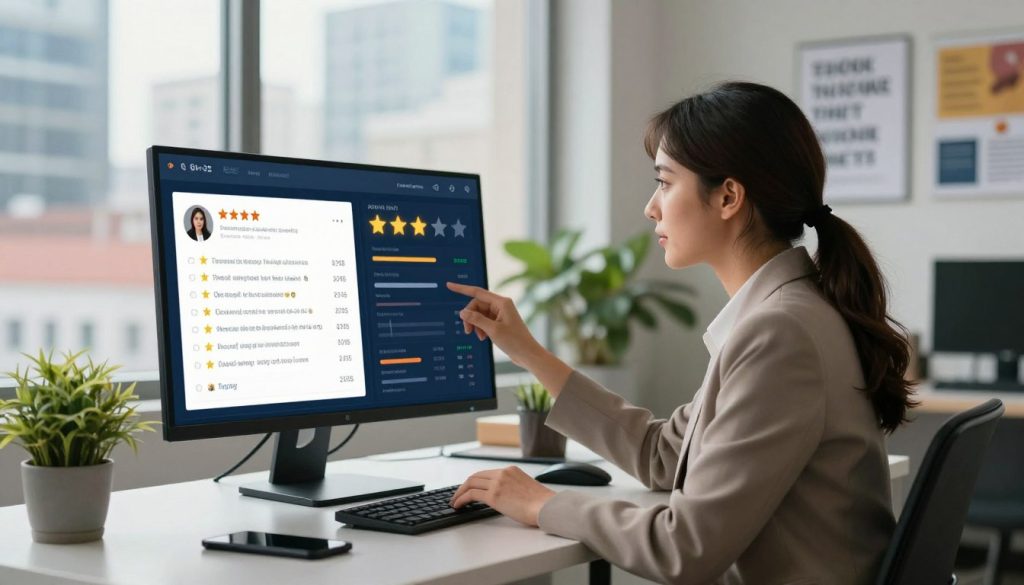
In today’s world, what people say about you online matters more than ads. A good reputation is key for your local PPC campaigns. It makes sure the people you pay to reach find a brand they can trust.
Encouraging authentic feedback from local clients
Start by giving exceptional service. After a great experience, ask clients to share their thoughts on Google or Yelp.
Make it easy for them by sending links in emails or on receipts. Authenticity is key. Don’t offer rewards for reviews, as it can hurt your reputation.
Responding professionally to negative reviews
Even top businesses get bad reviews sometimes. How you handle them can shape your brand more than good feedback.
“Your brand is what other people say about you when you’re not in the room.”
— Jeff Bezos
Always respond to complaints with empathy and professionalism. Acknowledge the issue, apologize, and offer to solve it privately. This shows you’re accountable and committed to making things right.
Showcasing testimonials on your website
Use positive feedback to your advantage by showing it on your website. People look for social proof before visiting or contacting you.
Put these testimonials on your homepage or service pages. It builds trust and supports your local PPC campaigns. This can lead to more conversions.
Utilizing Social Media for Hyper-Local Engagement
Mastering social media engagement is key to turning online followers into loyal customers. By focusing on the local community, businesses can build strong connections. These digital interactions help create a loyal fan base.
Joining local community groups and forums
Being active in neighborhood Facebook groups or local Reddit forums helps businesses gain trust. Instead of just advertising, they should offer helpful advice and share local news. This builds genuine credibility and encourages support for local businesses.
“The most successful local brands are those that treat their social media channels like a digital town square, where conversation and community come first.”
Running location-based social media contests
Contests that require local participation are great for boosting social media engagement and brand awareness. By asking followers to tag a friend or share a photo of their favorite local landmark, businesses can get valuable content. These campaigns often spread quickly in the community, reaching people nearby.
- Offer prizes that are relevant to the local area, such as gift cards to nearby partners.
- Use location-specific hashtags to ensure your contest reaches the right audience.
- Encourage participants to visit your physical location to claim their entry or prize.
Sharing behind-the-scenes content of local operations
Showing the human side of your brand is key to gaining trust. Share photos or videos of your team at work, or highlight local suppliers you partner with. This authentic storytelling makes customers feel part of your journey, boosting social media engagement.
Implementing Effective Local Email Marketing Tactics
Email marketing is key for businesses wanting to connect with their local customers. It’s about more than just sending out emails. It’s about creating a personal and relevant connection with people nearby. This approach turns occasional shoppers into loyal community advocates who keep coming back.
Segmenting email lists by neighborhood or zip code
Success in outreach comes from how you organize your data. Instead of treating all subscribers the same, segment your audience by location. This way, you can send content that meets the needs of different neighborhoods.
- Use zip codes to identify which customers live within a five-mile radius of your shop.
- Create custom tags for different districts to ensure your messaging feels local.
- Tailor your delivery times to match the local lifestyle of specific areas.
Sending personalized offers for local events
Knowing where your customers live lets you tie your promotions to local events. Whether it’s a town festival or a neighborhood block party, your email marketing should reflect these events. A special discount for event attendees creates a shared experience.
Here are some ways to personalize your outreach:
- Offer exclusive “neighbor discounts” for residents living in specific zip codes.
- Send reminders about upcoming community events where your brand will have a presence.
- Celebrate local milestones or seasonal changes that impact your specific community.
Maintaining engagement with local newsletters
Consistency is key to keeping your brand in customers’ minds. A regular newsletter connects your digital presence with your physical store. Sharing helpful tips, staff spotlights, or news about store improvements deepens your connection with readers.
Focus on providing value, not just pushing sales. When residents see your emails as a source of genuine community insight, they’re more likely to open and visit. This long-term approach to email marketing makes your brand a trusted part of the local scene.
Partnering with Local Influencers and Businesses
Working with local influencers helps brands reach out to trusted audiences. By teaming up with local partnerships, companies can grow their presence in the community. These partnerships often lead to more engagement than traditional ads.
Identifying micro-influencers in your area
Micro-influencers have a strong following in a specific area or niche. They offer authentic connections with their audience, making their advice trustworthy. It’s key to find partners who share your values to connect with your target audience.
Creating cross-promotional opportunities with neighbors
Collaborating with nearby businesses can be a win-win situation. For instance, a coffee shop and a bookstore might team up for joint discounts or events. These local partnerships turn rivals into allies, helping them share customers.
For cross-promotion to work, clear communication and shared goals are vital. When both businesses promote the same offer, they increase their reach and offer more value to the community. This approach is a cost-effective way to boost foot traffic and brand awareness.
Building long-term referral networks
Creating a formal referral network is key for lasting growth. By setting up structured agreements, businesses can ensure quality referrals. These local partnerships succeed when there’s trust and a commitment to excellent service.
It’s important to monitor the success of these networks to see which partnerships work best. Consistent communication and regular meetings keep these relationships strong. A well-run referral system is a reliable path to long-term success.
Conclusion
Mastering neighborhood growth mixes digital skills with personal touch. Business owners who focus on local marketing see big changes. They connect with nearby residents in a meaningful way.
Being consistent is key to lasting success. Small businesses that stick to local marketing build trust. This trust leads to loyal customers who see them as reliable neighbors.
Begin by checking your online presence and finding one thing to improve. It could be boosting your search results or strengthening community bonds. Every step you take matters. Start small, track your progress, and watch your business grow in your local area.